There is a very specific moment that every tech-to-finance career switcher experiences. You have just accepted the offer. Maybe it is a fintech company that is suddenly enforcing a dress code because they are courting institutional clients. Maybe it is an actual bank -- a real one, with a trading floor and an MD who wears cufflinks without irony. Maybe it is a hedge fund that your recruiter described as "smart casual" but you have since learned that "smart casual" in finance means something entirely different than "smart casual" at your old Series B startup.
Whatever the scenario, you are standing in front of your closet and having a small crisis. You see: four Patagonia quarter-zips (two black, one navy, one that inexplicable forest green you bought on sale), a rotation of Allbirds in varying stages of decomposition, a hoodie from your company's 2023 offsite, seven identical black t-shirts, chinos in three colors from Bonobos, and one suit you bought for a wedding in 2022 that no longer fits because you discovered bouldering.
There is nothing wrong with any of those clothes. They were perfect for your old life. But your new world has different rules, and learning them fast is how you earn credibility before you have had time to prove yourself with your work.
I know this transition intimately. I spent over a decade on Wall Street -- trading IG bonds at a Japanese bank in Manhattan -- and I watched dozens of people make this exact pivot. The ones who figured out the wardrobe quickly settled in faster. Not because their bosses were shallow, but because looking like you belong reduces the friction that slows everything else down. Nobody questions your technical skills when you look like you have been in the building for three years.
This guide is going to walk you through every scenario you will face in your first 90 days, tell you exactly what to buy, show you what you can keep from your tech wardrobe, and do it all for under $800. Let us get into it.
The Culture Shock Is Real -- And Nobody Warns You About It
In tech, the dress code communicates one thing: "I am so smart that I do not need to dress up to prove it." The hoodie is a power move. The Allbirds say "I am focused on building, not performing." Zuckerberg wore a grey t-shirt to ring the NASDAQ bell. That was the point.
In finance, the dress code communicates the opposite: "I respect the client, the institution, and the money enough to present myself with precision." It is not vanity. It is a form of professional respect that goes back centuries. When a client is trusting you with $50 million of their capital, they want to feel like they are dealing with someone who pays attention to details. Your suit is the first detail they see.
Here is a side-by-side of what these two worlds actually look like in practice:
| Category | Tech Startup (Your Old Life) | Finance (Your New Life) |
|---|---|---|
| Daily uniform | Hoodie or quarter-zip, jeans/joggers, sneakers | Dress shirt, trousers (or full suit), leather shoes |
| Meeting attire | Clean t-shirt and chinos (maybe a blazer) | Full suit, dress shirt, tie optional depending on desk |
| Shoes | Allbirds, Nike, New Balance 990s | Oxford or derby in dark brown or black leather |
| Outerwear | Patagonia vest, North Face puffer, Allbirds rain jacket | Wool overcoat, structured blazer, no puffers indoors |
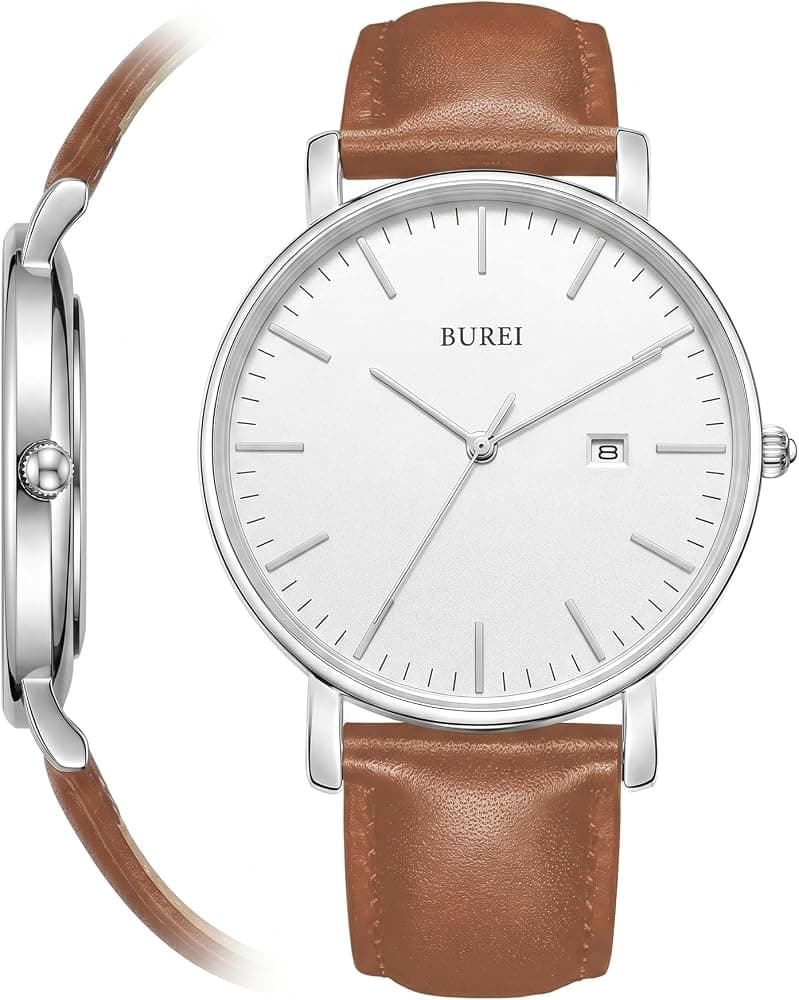
| Watch | Apple Watch or none | Traditional watch, leather or metal band (Apple Watch is fine on S&T floors) |
| Bag | Herschel backpack, tote from a conference | Leather briefcase, structured messenger, or clean professional backpack |
| Casual Friday | Every day is casual Friday | Chinos, dress shirt (no tie), clean loafers -- still more dressed up than your old Monday |
| Status signaling | AirPods Max, standing desk setup, mechanical keyboard | Watch, shoe quality, suit fabric, collar style |
Look at that table and count how many items overlap. Exactly zero. That is the scale of the shift you are making. This is not "adding a blazer to your tech wardrobe." This is building a new operating system for how you present yourself professionally.
Scenario 1: The Finance Interview Outfit
Let us start at the beginning. You have not even started the job yet. You have a final-round interview at a bank, a hedge fund, or a fintech company that is pretending to be a bank. What do you wear?
The Safe Play (IBD, Private Equity, Asset Management)
If you are interviewing for anything that involves client-facing work or managing money, the answer is simple:
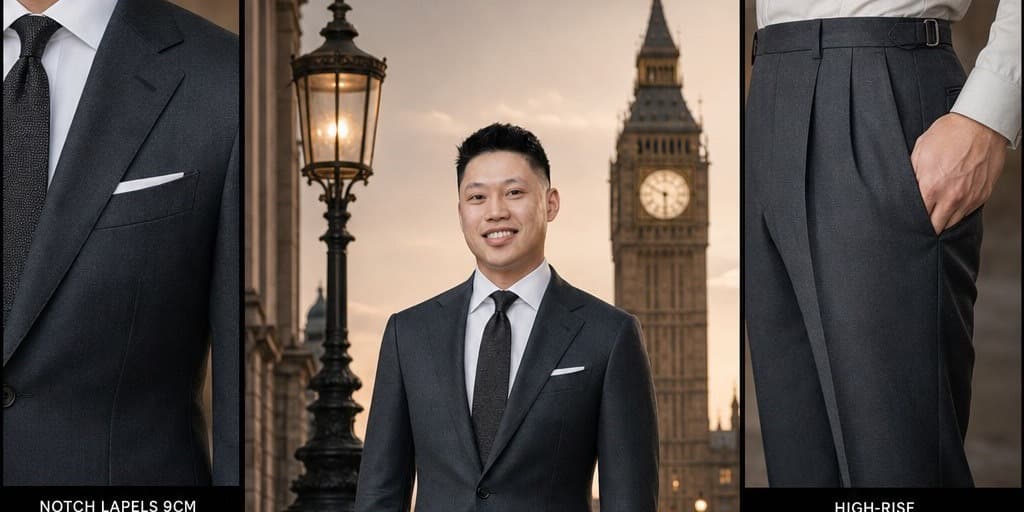
- Navy two-button suit. Single-breasted, notch lapel, slight shoulder structure. Not the slim-fit-I-can-barely-breathe suit from Zara. A suit that fits your actual body.
- White dress shirt. Spread or semi-spread collar. No button-down for an interview -- it reads too casual for banking. Barrel cuffs, not French.
- Tie. Yes, a tie. Solid navy or a small geometric pattern. This is an interview, not your desk. You can figure out the no-tie culture after you get the offer.
- Dark brown or black leather shoes. Cap-toe oxford or plain derby. If you have not owned dress shoes in five years, now is the time.
- Dark socks. Match them to your trousers, not your shoes. No ankle socks. No athletic socks. This sounds obvious and I promise you it is not.
The entire interview outfit should say: "I understand the environment I am entering." You are not trying to be fashionable. You are trying to eliminate wardrobe as a variable so they can focus on your skills.
The Tech-Adjacent Play (Fintech, Quant Funds, Growth-Stage Startups Going Enterprise)
If the company still has a ping-pong table but also recently hired a Head of Institutional Sales, the dress code is murkier. Here is the rule: dress one level above what you think the office wears. If you think they wear chinos and button-downs, wear a blazer. If you think they wear blazers, wear a suit without a tie.
- Navy or charcoal blazer (not a suit jacket -- a proper blazer with structure)
- Dress shirt or high-quality crew-neck sweater in navy/charcoal/cream
- Dark chinos or wool trousers
- Clean leather shoes -- loafers are acceptable here
- No tie
The worst thing you can do in an interview is look like you do not take it seriously. Nobody was ever rejected for being slightly overdressed. Plenty of people have been rejected for looking like they did not care enough to try.
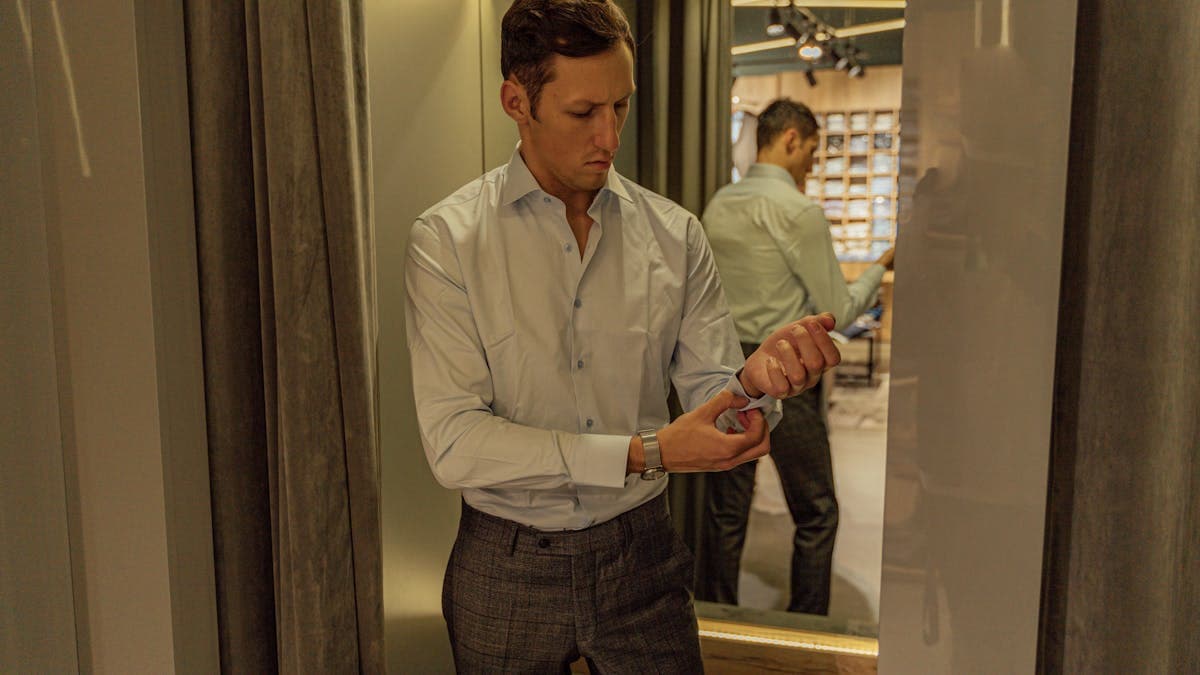
Scenario 2: Your First Week Outfit Rotation
You got the job. Congratulations. Now you need to show up Monday morning looking like you have done this before, and you need to sustain it for five days without repeating an outfit. Here is your survival rotation with the absolute minimum number of pieces:
The Five-Day Rotation
- Monday: Navy suit, white shirt, no tie (unless your desk wears ties -- observe and adapt)
- Tuesday: Charcoal trousers, light blue shirt, navy blazer
- Wednesday: Navy suit trousers (from Monday's suit), white shirt, no jacket (if office temperature allows)
- Thursday: Charcoal suit (if you have one) or charcoal trousers with a different shirt and the navy blazer
- Friday: Casual Friday -- dark chinos, dress shirt with the sleeves rolled, clean loafers
Notice what is happening here: with two suits, three shirts, one pair of chinos, and one blazer, you have a week of outfits that never repeat. You are not buying 15 pieces. You are buying 7-8 pieces that mix and match. This is how finance guys have been doing it for decades. Nobody on your floor owns 20 suits. They own 3-4 suits, 7-8 shirts, and they rotate strategically.
The Observation Period Rule
Here is the most important thing I can tell you about week one: watch before you act. Do not assume you know the dress code because the HR email said "business professional." Sit at your desk on Monday and look around. Answer these questions:
- Does your MD wear a tie? If no, you do not wear a tie.
- Does anyone on your floor wear a full suit? If yes, note which days and for what meetings.
- What shoes are people wearing? Oxfords? Loafers? Are there sneakers on the floor?
- Are there Patagonia vests? (On S&T floors, this is almost guaranteed. On IBD floors, almost never.)
- What does casual Friday actually look like? Some desks it means chinos. Some desks it means jeans. Some desks casual Friday does not exist.
Your goal for week one is to blend in while you calibrate. Slightly overdressed is always better than underdressed. You can always take off a jacket. You cannot conjure one from thin air when your VP pulls you into a client meeting at 3 PM.
Scenario 3: Client-Facing Meetings
This is where the stakes are highest and where your tech background offers zero preparation. In tech, a client meeting might mean you throw on a Patagonia vest and hop on a WhatsApp video call. In finance, a client meeting means you are sitting across from someone who manages a pension fund, and they are deciding whether to trust your team with $200 million of teachers' retirement money.
The outfit is non-negotiable:
- Full suit. Navy or charcoal. Buttoned. Clean. Pressed.
- White or light blue dress shirt. Ironed. Not the one you pulled from the bottom of your hamper.
- Tie if your team wears ties to meetings. If you are unsure, bring one in your desk drawer and check with your VP ten minutes before.
- Leather shoes, polished. Yes, polished. Buy a $7 shoe polish kit from Amazon. It takes 3 minutes.
- Clean nails, trimmed beard, intentional hair. These details matter more in a conference room than they ever did on a WhatsApp video call with your camera off.
Here is a tactical tip that saved me more than once: keep a "meeting kit" in your desk drawer. A tie, a lint roller, a breath mint, a small mirror, and a shoe polish cloth. When your VP says "we have a client coming in at 2," you have four minutes to upgrade from desk-casual to meeting-ready. The guys who have been in finance for years all have some version of this kit. Now you do too.
Scenario 4: Casual Friday in Finance
Let me save you from the most common career-changer mistake: "casual Friday" in finance does not mean what "casual" meant at your old job.
At your startup, casual meant gym shorts and a free conference t-shirt. In finance, casual Friday means:
- Dark chinos or pressed khakis (not joggers, not jeans with rips, not the jeans you wore to brunch last Sunday)
- A dress shirt or a fine-gauge knit sweater (crew-neck or V-neck, no hoodies, no quarter-zips with logos)
- Loafers or clean leather boots (not sneakers -- at least not for your first month until you see what the floor actually does)
- No tie, no suit jacket
Think of casual Friday in finance as "what you would wear to a nice brunch with your partner's parents." It is relaxed, but it still communicates competence. The bar is lower, but there is still a bar.
What You Can Actually Keep From Your Tech Wardrobe
Now for the good news. Not everything in your closet is worthless. Some of the instincts you developed in tech -- clean lines, quality materials, minimal branding -- actually translate well to the understated end of finance style. Here is what makes the cut:
Keepers
- Quality knitwear without logos. That merino wool crew-neck from Uniqlo? That works under a blazer. The cashmere sweater you splurged on? Perfect for casual Fridays. As long as it has no visible branding, it translates.
- Clean minimal sneakers (with a caveat). Common Projects, Koio, or similar minimal white leather sneakers are acceptable on some trading floors and at some fintech companies -- but not for your first month, not for client meetings, and not at a traditional bank. Keep them for confirmed-casual environments once you have read the room.
- No-logo outerwear. A clean navy topcoat, a structured wool jacket, a minimalist rain jacket -- these work. A Patagonia vest works on S&T floors but not in IBD. A North Face puffer is fine for your commute but take it off before you walk onto the floor.
- Dark, well-fitting chinos. Your Bonobos chinos in navy or charcoal work for casual Fridays. The light khaki and the "stretch washed chino in sunset orange" do not.
- Your Apple Watch. It is fine on a trading floor. It is fine in most of finance. Just not with a neon sport band -- swap it for a leather or metal band.
- Your AirPods. Keep them in your bag, not your ears, when you are at your desk. In tech, AirPods in was a focus signal. In finance, it is a "this person is not available and does not care" signal.
Leave at Home
- Allbirds. I know. They are comfortable. They also look like slippers to anyone over 40 in finance. Save them for weekends.
- Company swag hoodies. Your Series C hoodie is not business casual. It is not even business adjacent. It is a hoodie.
- Graphic tees. Even the cool ones. Even the ones from that underground coffee brand in Bushwick. No.
- Joggers, athleisure, anything with an elastic waistband. The entire athleisure category is invisible in finance. It does not exist.
- Backpacks with excessive branding. A clean, structured backpack is fine (Tumi, Aer, etc.). A Herschel with patches from tech conferences is not.
For more on the understated aesthetic that bridges tech sensibility with finance expectations, read our guide on quiet luxury for NYC men. The principles overlap more than you would think.

The Budget Reality: Building a Finance Wardrobe for Under $800
Here is the part that makes career changers lose sleep. You just left a $200K tech job for a $180K finance role -- or maybe you took a pay cut for the equity, or you are moving from a FAANG salary to a hedge fund that pays in "learning opportunities" for the first year. Either way, you are staring at SuitSupply's website seeing $599-$899 for one suit and doing the math on how many you need.
Stop. You do not need to spend SuitSupply money. Not because there is anything wrong with SuitSupply -- their Lazio fit is genuinely good off the rack -- but because you are paying for a Madison Avenue lease, a marketing department, and a supply chain with four middlemen when you could be paying for just the suit.
Here is the complete wardrobe build, with everything you need for your first 90 days:
| Item | Nathan Tailors Price | SuitSupply / Off-the-Rack Equivalent | Notes |
|---|---|---|---|
| Navy wool suit (custom) | $209 - $249 | $599 - $899 | Your anchor piece. Premium worsted wool. Half-canvas construction. |
| Charcoal wool trousers (custom) | $89 - $109 | $149 - $228 | Mix with navy blazer or wear standalone. Wool drapes better than chinos. |
| 3x white dress shirts (custom) | $117 - $147 (3x $39-$49) | $210 - $357 (3x $70-$119) | Semi-spread collar. Barrel cuffs. These are your workhorses. |
| 2x light blue dress shirts (custom) | $78 - $98 (2x $39-$49) | $140 - $238 (2x $70-$119) | Variation from white. Same collar style. Essential for rotation. |
| 1x navy blazer (custom) | $149 - $169 | $349 - $599 | Your most versatile piece. Works with trousers, chinos, and casual Friday. |
| 1x tie (navy or burgundy) | $15 - $25 | $79 - $145 | Silk. Keep in desk drawer for surprise client meetings. |
| TOTAL | $657 - $797 | $1,526 - $2,466 | Real fabrics. Custom fit. 50-68% savings. |
Read that total line again. $657 to $797 for a complete, custom-fitted finance wardrobe. Not off-the-rack-and-pray. Not "close enough." Custom -- measured to your body, cut for your proportions, made with real worsted wool and a half-canvas chest. We're factory-direct: no Manhattan rent, no marketing budget, no distributors.
At SuitSupply, that same wardrobe runs $1,500 to $2,500. At Brooks Brothers, it is even more. And none of those options are custom fitted to your body -- you are picking the closest size and hoping for the best, then spending another $100-$200 on alterations to fix what the factory got wrong.
If you want to see the full pricing breakdown, browse our complete menu. Every fabric, every garment type, transparent pricing. No surprises.
Why the Same Suit Costs 65% Less: A 3-Minute Economics Lesson
If you came from tech, you understand supply chains. You know about margin stacking. You have probably built a spreadsheet model at some point that showed how every intermediary between production and customer adds cost. So this will make immediate sense to you.
Here is what happens when you buy a $799 suit from a brand like Indochino or SuitSupply:
- Fabric cost: $40-$80 (Italian mill sells the fabric)
- Manufacturing: $50-$100 (cut, sewn, finished -- in China, Vietnam, or Eastern Europe)
- Import duties and shipping: $20-$40
- Brand markup: $150-$250 (marketing, headquarters in Amsterdam or Vancouver, executive salaries)
- Retail rent: $80-$120 (per garment, amortized from their showroom leases in SoHo, Madison Avenue, or Hudson Yards)
- Customer acquisition: $50-$80 (Instagram ads, Google ads, influencer partnerships)
- Your suit's total cost to them: $390-$670
- Their selling price: $799
Now here is what happens when you buy a $249 suit from Nathan Tailors:
- Fabric cost: $40-$80 (premium worsted wool from established fabric brokers)
- Manufacturing: $50-$80 (our team in Hoi An, Vietnam)
- Our overhead: $15-$25 (rent in Hoi An is not rent in SoHo)
- Our margin: $30-$50
- Your suit's price: $249, plus shipping quoted at cost by weight and destination before you pay
Same fabric. Same construction quality. No middlemen. We do not have a $35,000/month showroom in Hudson Yards. We do not spend $2 million a year on Instagram ads. We do not have a brand "experience" that involves mood lighting and espresso machines. We have tailors, fabric, and a WhatsApp number. That is why it costs less.
This is not a trade secret. This is basic economics that every company in the industry knows and hopes you never learn. For a deeper dive into how we compare to the big names, read our Wall Street dress code guide -- it breaks down firm-by-firm what you need and how to get it without the markup.
The Remote Custom Process: How It Actually Works
I know what you are thinking. "I am in Manhattan. You are in Vietnam. How does this work?" Fair question. Here is the honest answer: it works because we have done it 5,000+ times and we have built a system that is genuinely more precise than a 15-minute fitting at a showroom.
- Measure yourself at home. Our interactive measurement guide walks you through every measurement with video and visual references. It takes about 15 minutes. If you want extra confidence, message us on WhatsApp and our team will guide you through it live, in real time, making sure every number is right.
- Tell us what you need. Message us on WhatsApp. Send photos of what you like -- screenshots from Instagram, a photo of a suit you saw at a SuitSupply store, a Pinterest board of your ideal look. We speak fluent "I have no idea what I want but I know what I like."
- Pick your fabric. We will send you options based on your needs, with photos and descriptions. Or browse our full menu and pick yourself.
- We make it. Production takes 3-4 working days. Everything is made by our in-house tailoring team -- not outsourced, not factory-farmed. Our tailors handle 30-50 garments per day, which means they have more hands-on experience with fit variations than a Western tailor who sees 5-10 clients per week.
- We ship it to you. DHL or FedEx, fully tracked, to your door in Manhattan. Typical express delivery: 6-8 days from Hoi An.
Total time from first message to suit hanging in your closet: 3-4 weeks. That is faster than most made-to-measure brands in the U.S. and less than half the price.
And if anything does not fit perfectly? Every garment is cut with generous seam allowances and ships with a piece of the same cloth, so a local tailor can adjust the fit quickly and cheaply -- send us photos and we will help you get it right. We have an excellent first-time fit record across 5,000+ remote orders.
The 90-Day Wardrobe Upgrade Plan
You do not need to buy everything at once. If $657-$797 feels like a lot right now -- and I understand if it does, because you are managing a career transition and probably dealing with moving costs, new expenses, and the general financial anxiety of changing everything at the same time -- here is how to spread it out:
Before Day 1 (Priority 1: ~$322-$396)
- 1 navy suit ($209-$249)
- 2 white dress shirts ($78-$98)
- 1 tie ($15-$25)
- Leather shoes (buy locally -- Meermin, Allen Edmonds on sale, or even a clean pair from Nordstrom Rack for $80-$150)
This gets you through the first two weeks. You have one suit, two shirts, and shoes. You can rotate shirts and nobody will notice you are wearing the same suit Monday and Wednesday because nobody tracks that except you.
Week 3-4 (Priority 2: ~$239-$278)
- Navy blazer ($149-$169)
- Charcoal trousers ($89-$109)
Now you have real variety. The blazer plus charcoal trousers gives you a second "suit-adjacent" look. You can wear the blazer with your suit trousers. You can wear the charcoal trousers with just a shirt. Your rotation just tripled.
Month 2-3 (Priority 3: ~$117-$147)
- 2 light blue dress shirts ($78-$98)
- 1 additional white shirt ($39-$49)
Now you have a full five-shirt rotation and never need to do emergency mid-week laundry. You look like someone who has been doing this for years.
The Psychological Shift Nobody Talks About
I want to address something that no men's style guide covers because it sounds too soft: this transition is emotionally harder than it seems.
In tech, your casual clothes were a signal that you were smart enough to not need external validation. That hoodie was your identity. It said "I solve problems, I ship code, I do not play corporate games." And there was genuine truth in that. The tech dress code was born from a real philosophy -- that substance should matter more than surface.
Now you are in an environment where surface matters. Not more than substance, but alongside it. And it can feel like a betrayal of your identity. Like you are selling out. Like you are cosplaying as someone you are not.
Here is what I want you to know: you are not changing who you are. You are adding a language. Think of the suit like a localization layer. The underlying code -- your skills, your analytical mind, your ability to build models and spot patterns that nobody else sees -- is identical. You are just presenting it in a format that your new audience understands.
The finance world is not going to learn your language. So you learn theirs. That is not selling out. That is being strategic. And as someone who came from tech into finance and watched it from the trading floor for a decade, I can tell you: the guys who adapted fastest were the ones who stopped seeing the wardrobe as a compromise and started seeing it as a tool.
Common Mistakes Tech-to-Finance Switchers Make
I have watched hundreds of career changers navigate this transition. Here are the mistakes I see over and over:
Mistake 1: Going Too Fashion-Forward
You overcorrect. You watch a few YouTube videos about men's style and show up in a peaked-lapel double-breasted suit with a pocket square, tie bar, and monk strap shoes. You look like you are trying too hard. In finance, subtlety is everything. Stick to the basics for your first six months. Nobody respects the new guy who dresses like he is on the cover of GQ. They respect the new guy who looks clean, sharp, and unremarkable.
Mistake 2: Buying the Cheapest Suit Available
You go to H&M or Zara and buy a $129 polyester suit because you are still in "tech minimum viable product" mode. The suit looks fine on the hanger and terrible on your body after one hour of wear. It wrinkles, it shines, it does not breathe, and it fits nobody because it was made for a mannequin that does not exist. A cheap suit looks cheap. Everyone can tell. This is the one area where "move fast and break things" does not apply.
Mistake 3: Keeping the Sneakers
I get it. Your feet hurt in leather shoes. You have not worn hard-soled shoes since prom. But sneakers on a banking floor -- even clean, minimal, white leather sneakers -- will mark you as "the tech guy" for your entire first year. Save the sneakers for weekends and casual Fridays once you have confirmed your floor allows them. Break in your leather shoes at home first. Walk around your apartment in them for a week. Your feet will adapt.
Mistake 4: Ignoring Grooming
In tech, a three-day beard and messy hair signaled focus. In finance, it signals "this person does not have their life together." Get a proper haircut. Trim your beard or shave it. Clean your nails. These are not vanity -- they are professional baseline. Think of grooming like code review: nobody sees the work that went into clean code, but everyone notices when the code is messy.
Mistake 5: Talking About How Much Your Clothes Cost
Never tell your colleagues you got your custom suit for $249 from Vietnam. Not because it is embarrassing -- it is not -- but because quiet confidence is more valuable than loud savings. If someone compliments your suit, say "thanks" and move on. If they ask where it is from, say "a tailor I work with." Do not give a TED talk about supply chain economics. That is my job. Your job is to look like you have always dressed this way.
Quick Reference: Your First 90 Days by the Numbers
| Milestone | What You Should Have | Budget (Nathan Tailors) | Budget (Off-the-Rack) |
|---|---|---|---|
| Interview | 1 suit, 1 shirt, 1 tie, leather shoes | $263 - $323 + shoes | $750 - $1,170 + shoes |
| Day 1 (minimum viable wardrobe) | 1 suit, 2 shirts, 1 tie, shoes | $322 - $396 | $870 - $1,340 |
| Week 4 (rotation ready) | + blazer, + charcoal trousers | $561 - $674 | $1,370 - $2,170 |
| Month 3 (complete) | + 3 more shirts (5 total) | $657 - $797 | $1,526 - $2,466 |
At every milestone, you are spending roughly half to one-third of what you would spend at SuitSupply or Indochino. And everything is custom fitted to your body -- not "closest size, hope for the best."
For the Client Dinner Guide You Did Not Know You Needed
If you have already started your new role and your boss just dropped "client dinner Thursday at The Grill" into Slack, you need a specific playbook for that situation. We wrote one: What to Wear to a Client Dinner in NYC. It covers restaurant-by-restaurant dress codes, the 48-hour emergency outfit plan, and how to look like you have been doing Midtown power dinners for years when you have actually been eating $14 sweetgreen salads at your standing desk.
You Are Not Starting Over. You Are Leveling Up.
I want to leave you with this. The tech-to-finance pivot is not a step backward, even if some of your old colleagues joke about you "going corporate." You are taking skills that are extraordinarily valuable -- data analysis, systems thinking, product intuition, the ability to learn anything fast -- and applying them in an industry that prints money and rewards those skills handsomely.
The wardrobe is not the hard part. The hard part is the career change itself -- the interviews, the imposter syndrome, the learning curve of a new industry. The wardrobe is the easy part. It is a solvable problem with a clear budget and a defined outcome.
You learned Python in three months. You can learn how to dress for finance in three weeks.
And you do not need to spend $2,000 to do it. You need a suit that fits, shirts that are crisp, shoes that are polished, and the confidence that comes from knowing you look like you belong. We can help with all of that for under $800.
Welcome to your new chapter. You are going to be fine.
Ready to Build Your Finance Wardrobe?
Message us on WhatsApp with your timeline and budget. Tell us about your new role -- what kind of firm, what desk, how client-facing. We will put together a personalized wardrobe plan that gets you through your first 90 days without overspending or underdressing. We have helped hundreds of career changers make this exact transition.
Message Nathan Tailors on WhatsApp →
Or start with your measurements -- our interactive guide takes 15 minutes, and you can message us on WhatsApp if you want a human walking you through it.