A "super number" (Super 100s, 120s, 150s, 180s...) measures how fine the wool yarn is -- the higher the number, the thinner and softer the fibre, and the smoother and more lustrous the cloth. But higher is NOT automatically better. Fineness comes at the cost of durability: a Super 150s or 180s feels incredible and drapes beautifully, but it wrinkles more, shines at the stress points sooner, and wears out faster. For a suit you will actually wear a lot, Super 110s-130s is the sweet spot -- fine enough to look and feel excellent, robust enough to last years. Save the 150s+ for occasion suits. And once a suit is cut to your exact body, the fit does far more for how it looks than the fibre-fineness ever will.
- Everyday office armour: Super 110s-130s. The best balance of feel and durability.
- Wedding / special occasion: Super 130s-150s. Softer, more lustrous, worn less often.
- Hot / humid climate: weave and weight matter more than the super number -- an open, breathable weave beats a high number.
- The real multiplier: fit. A cut-to-you Super 120s beats an off-the-rack Super 150s every time. Custom from $149.
You are speccing a suit, you hit a wall of labels -- Super 100s, Super 120s, Super 150s, Super 180s -- and you Google the difference, because the shop makes it sound like a bigger number is simply a better suit. It is not that simple, and the honest version of this actually saves you money. Let me walk you through exactly what the number means, the trade-off nobody selling you a "Super 150s" wants to mention, and which one to actually order.
I am Jay. I spent ten years in the United States buying suits, then moved to Hoi An and ended up helping run a shop that cuts custom tailored suits from real mill cloth every day. So I have watched what these fabrics do over years of real wear -- not on a showroom hanger, but on the bodies of thousands of customers. Here is what I would tell a friend before they pick a number.
What Does a "Super Number" Actually Mean?
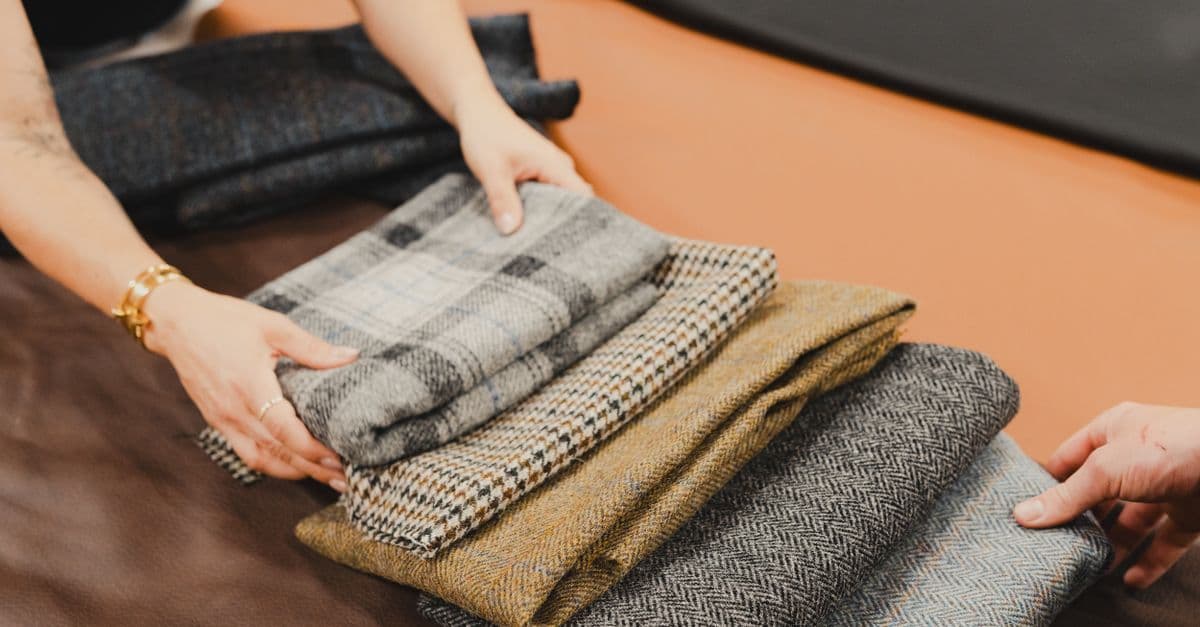
The super number describes one thing only: the fineness of the individual wool fibres spun into the yarn. It comes from an old spinning measure (how many "hanks" of yarn you can spin from a unit of wool) and maps directly to the fibre's diameter in microns. The finer the fibre, the higher the number.
Finer fibre means a thinner, softer, smoother yarn -- which gives you cloth with more drape, a softer hand, and a subtle sheen. That is the entire appeal of a high super number: it feels luxurious and looks refined. Here is roughly how the scale runs:
| Super number | Approx. fibre diameter | Feel & look | Durability |
|---|---|---|---|
| Super 100s | ~18.5 micron | Sturdy, matte, honest | Excellent — a workhorse |
| Super 110s–120s | ~18–17.5 micron | Smooth, refined, still robust | Very good — everyday-friendly |
| Super 130s | ~17 micron | Noticeably soft, light sheen | Good — the upper end of daily wear |
| Super 150s | ~16 micron | Very soft, fluid drape, clear sheen | Fair — an occasion cloth |
| Super 180s+ | ~15 micron and finer | Feels like silk, delicate | Low — wrinkles & wears fast |
Notice the pattern: as you climb the scale, the two right-hand columns move in opposite directions. Every step up in softness is a step down in toughness. That is the whole story, and it is the part the label never tells you.
Higher Isn't Better — The Durability Trade-Off
A finer fibre is, by definition, a thinner and more fragile one. So the very thing that makes a Super 150s feel gorgeous -- its delicacy -- is what makes it a worse choice for a suit you wear hard. In practice, a high-super-number cloth will:
- Wrinkle more and hold those wrinkles longer -- it does not bounce back the way a sturdier cloth does after a day in a chair or a flight.
- Shine and thin at the stress points sooner -- the seat, the elbows, the inner thighs -- where a suit takes the most friction.
- Be less forgiving of real life -- a snag, a scuff, a hot iron -- because there is simply less fibre there.
"Super 150s" is one of the most-faked specs in menswear, precisely because it sounds premium and is almost impossible to verify by eye. A cheap suit waving a Super 150s label is either not genuinely 150s, or -- if it is -- has chosen the wrong cloth for a garment meant to be worn and last. A high number on a low-price rack suit is a marketing decision, not a quality one. The honest move is to pick the fibre that survives real wear, not the one that photographs softest.
Which Super Number Should You Actually Order?
Forget "highest I can afford." Match the number to how you will actually wear the suit.
| How you'll wear it | Order this | Why |
|---|---|---|
| Everyday office armour — worn weekly, needs to last | Super 110s–130s | Refined feel with the durability to survive daily wear for years |
| Wedding / special occasion — worn rarely, wants to feel luxe | Super 130s–150s | Softer hand and more drape; the extra delicacy is fine when it is not a daily suit |
| Hot / humid climate — breathability first | Prioritise weave & weight, not the number | An open, lighter tropical weave keeps you cool far better than a high super number does |
| Your first / only suit — one suit, all jobs | Super 120s | The single most versatile grade: looks the part, takes the wear, forgives the abuse |
One point that surprises people, especially anyone dressing for heat: the super number is not the same thing as the fabric weight. A cloth can be a high super number and still be heavy, or a modest number and beautifully light. For a hot, humid climate, the weave and the weight (in grams) matter far more -- which is exactly the sort of thing worth talking through before you order, and which our broader guide to wool, linen, cotton and cashmere gets into.
When a Suit Is Cut to You, Fit Beats Fibre-Fineness
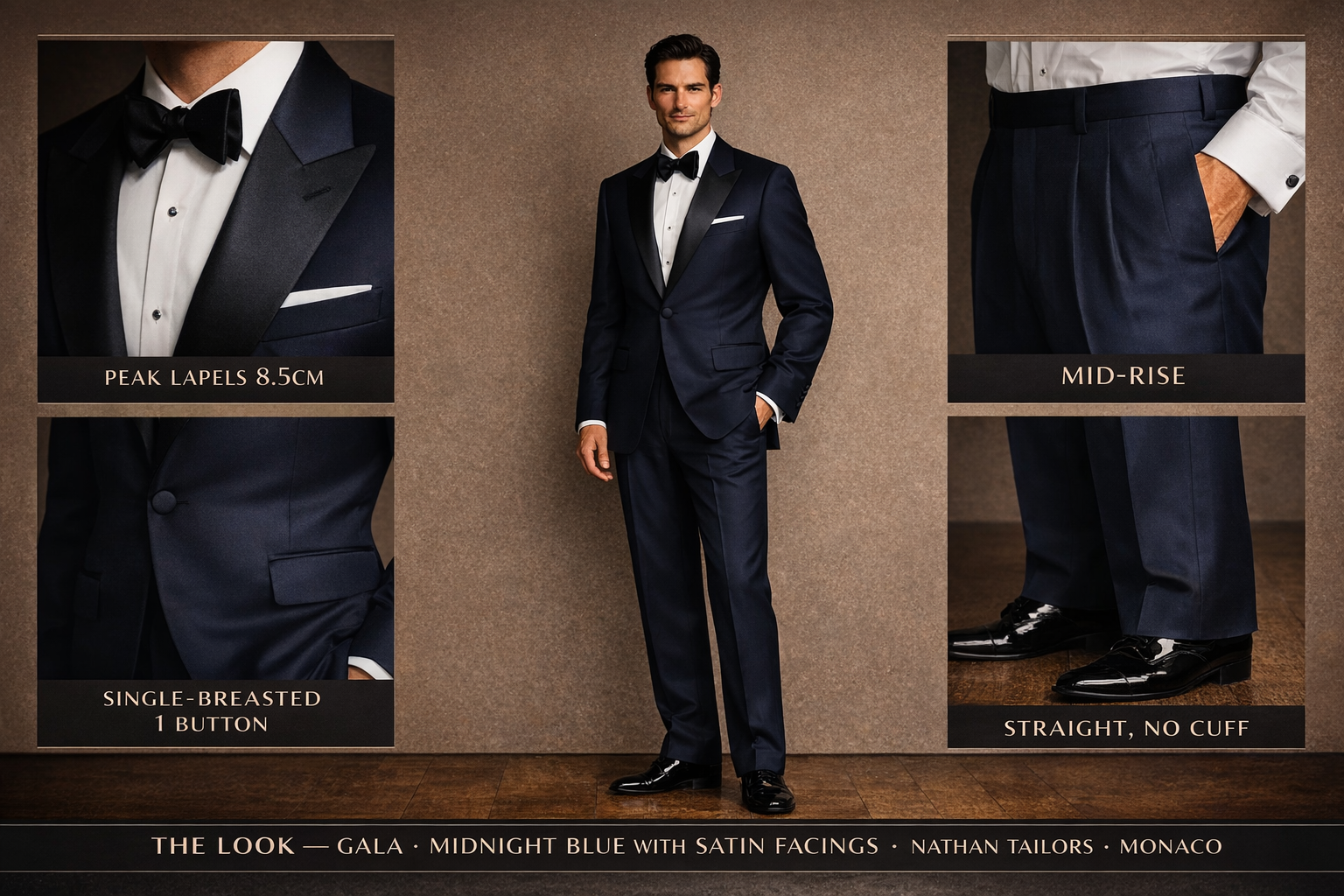
Here is the truth that reframes the whole question. The single biggest driver of how a suit looks is not the super number -- it is the fit. A Super 120s cut precisely to your shoulders, chest, and waist will look, drape, and photograph better than a Super 150s bought off a rack and pinned close. Always. The fibre-fineness is a refinement on top of a good fit; it can never substitute for one.
This is why the super-number arms race matters far less for made-to-measure than the shops selling stock sizes want you to believe. When the cloth is being cut to your body from scratch, your money is far better spent on a mid-super cloth that will last and a cut that is genuinely yours than on a fragile high number draped over an approximate fit.
What We Recommend — and How to Choose on Your Order
For most people ordering a suit to actually wear, we steer toward Super 120s to 130s: it looks and feels like real money, and it survives real life. We reserve the higher, softer cloths for customers who specifically want an occasion suit and understand the trade. And in a hot climate, we will point you at weave and weight before we ever talk super numbers.
A full custom tailored suit from us runs $149 to $309 depending on the cloth, and the fabric grade is part of what moves you along that range -- an everyday worsted at the entry, a finer premium wool blend as you go up. It is real mill cloth from established suppliers, the same fabric world that stocks Western floors at multiples of the price; the difference is geography and overhead, not honesty about grade. Whatever number you land on, it is cut to your exact measurements -- which, as above, is the part that actually decides how it looks.
How to Order
You do not need to be in Hoi An -- most of our customers never are. The process starts with a free WhatsApp video consultation, where we talk through exactly this: how you'll wear the suit, the climate, and the right cloth and grade for it -- no charge, no obligation. Then a guided self-measurement at home (about fifteen minutes with a soft tape; our measurement walkthrough shows you where each one goes), and we cut and ship to your door in about two to three weeks, tracked.
Curious what it costs and how long start to finish? I broke down what a custom suit costs and why and exactly how long it takes. When you are ready, message us on WhatsApp at +84 905 311 273 and we will recommend the right grade for the suit you actually want. It is the same craft behind all our bespoke suits and custom tailored suits -- 5.0 stars across 530+ reviews, shipped worldwide.
Pick the cloth that lasts. Spend the difference on the fit.
-- Jay