Most "Royal Ascot dress code" articles you will read in May are written by people who have never stood at the Royal Enclosure gate and watched a guest in a charcoal city suit get politely but firmly redirected to the Queen Anne Enclosure. This one is written by someone who has. The rules at Ascot are not uniform across the racecourse. There is no single "Royal Ascot dress code." There are four overlapping codes, each tied to an enclosure, each enforced at the entry to that enclosure, and each bending in ways the official Ascot style guide does not advertise. If you are showing up between June 16 and June 20, 2026, this is the operating manual.
Two framing things first. One: the dress code tightens as you move from the rail toward the Parade Ring. The Royal Enclosure -- the lawn between the Parade Ring and the grandstand, with line of sight to the Royal Procession -- has the strictest rules in British racing. Queen Anne, Village, and Windsor sit on a sliding scale from "formal" to "smart casual." Two: enforcement happens at the entry to the enclosure, not at the gate to the racecourse. You can buy a Queen Anne badge and walk all the way to the Royal Enclosure rope before being stopped. The badge is the gatekeeper, the dress code is the second gatekeeper, and Ascot's stewards are unfailingly polite about turning you back on either one.
The Enclosures, Strictest to Loosest
Royal Enclosure
The most exclusive enclosure on the racecourse, with views over the Parade Ring and a clear sightline to the Royal Procession that opens each day's racing. Entry is by badge only, and badges are by invitation -- you need a sponsor who has been in the Royal Enclosure for four years, or you need an invitation from a member of the Royal Household. The badge price for 2026 sits around £165-£185 per day, but the badge is not the hard part; the sponsor is.
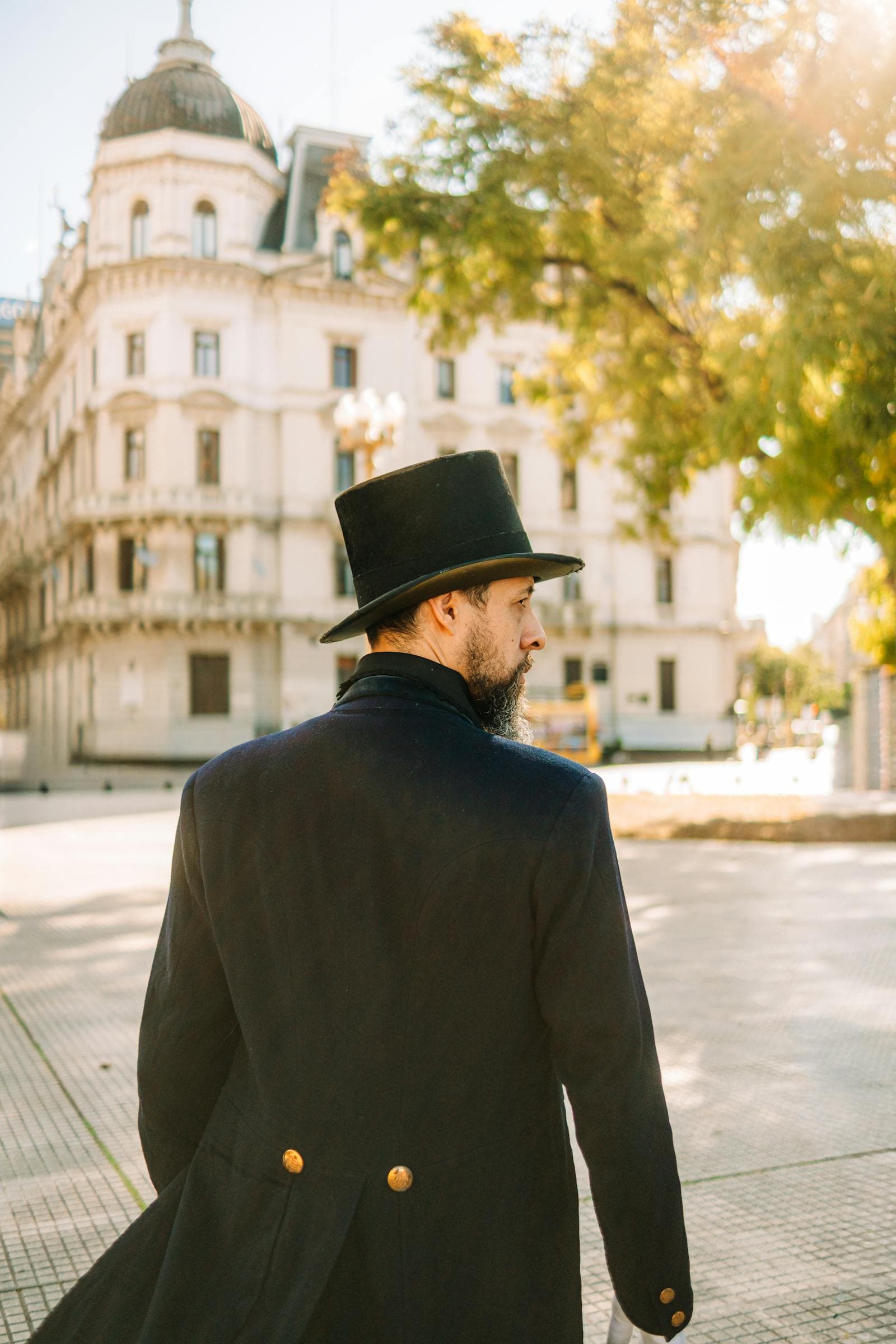
Dress code for men is black or grey morning dress. That is: a morning coat with cutaway tails (not a tuxedo, not a city suit, not a "morning-style" blazer), a waistcoat, full-length trousers in the same cloth as the coat or in pale grey houndstooth, a white shirt with a turn-down collar, a tie or cravat, black formal shoes, and a top hat. The top hat is the non-negotiable. It must be worn in the Royal Enclosure -- you may only remove it inside a private box, a restaurant, or a marquee. Not on the lawn. Not at the rail. Not for photos. The hat goes back on the head when you step outside.
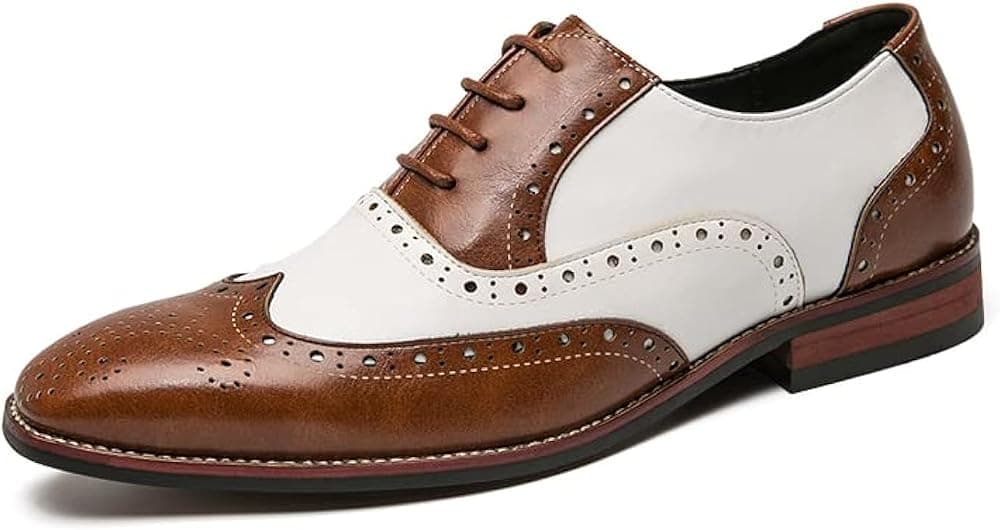
What is actually enforced at the Royal Enclosure entry: morning coat is checked. Top hat is checked. Waistcoat is checked (you cannot show up in coat and shirt only). Trouser length is checked. Footwear is checked -- black oxfords or black plain-toe derbies pass; loafers, brogues, anything with a buckle, anything brown, anything suede, do not. Ties and cravats are checked for type -- a regular silk tie passes, a bow tie does not (bow ties are for evening dress; this is morning dress), and a novelty or printed tie gets a long second look. Ascot's Royal Enclosure stewards have done this for thirty years. They notice.
One quiet 2026 update worth knowing: the Royal Enclosure has, for several seasons now, accepted coloured waistcoats as long as the rest of the outfit holds. Dove grey, buff, soft blue, sage, even deeper jewel tones in single-breasted cut have all been seen in the Enclosure without incident. What still gets challenged is anything novelty-printed (pheasants, Union Jacks, racing silks). What still gets refused is double-breasted waistcoats in loud patterns. Plain colour, jewel or pastel, is the safe lane.
Queen Anne Enclosure
The main grandstand enclosure, named for the founder of the racecourse and the largest of the four. No invitation needed -- you simply buy the badge, around £90-£110 per day for 2026. Dress code for men: a suit (any colour), with a jacket and full-length trousers, a collared shirt, and a tie. Morning dress is welcomed but not required. A hat is "encouraged" but not enforced.
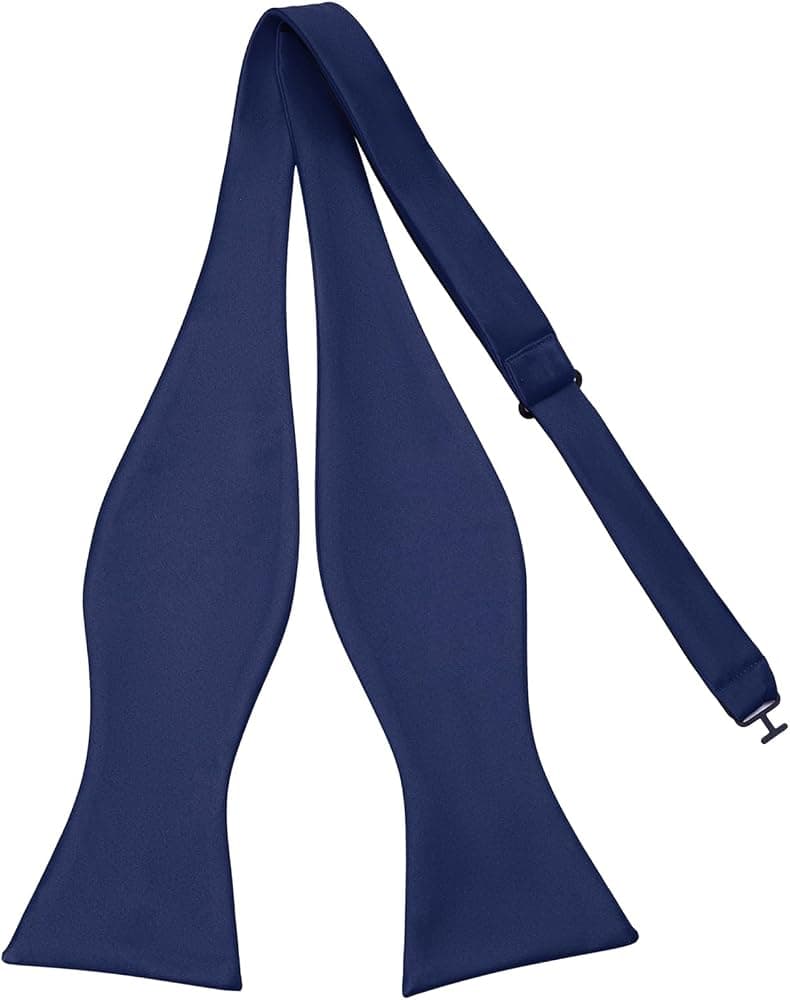
What is actually enforced at Queen Anne: jacket is checked, tie is checked, trouser length is checked. A linen suit, a navy worsted, a glen check, a cream suit -- all pass. Open-collar shirts do not. T-shirts under a blazer do not. Cropped trousers do not. Trainers in any form do not. The "tie" requirement does not mean any tie -- a cravat works, an Ascot tie works, a bow tie works (here it does, because you are not in morning dress), a knitted tie works. A scarf does not.
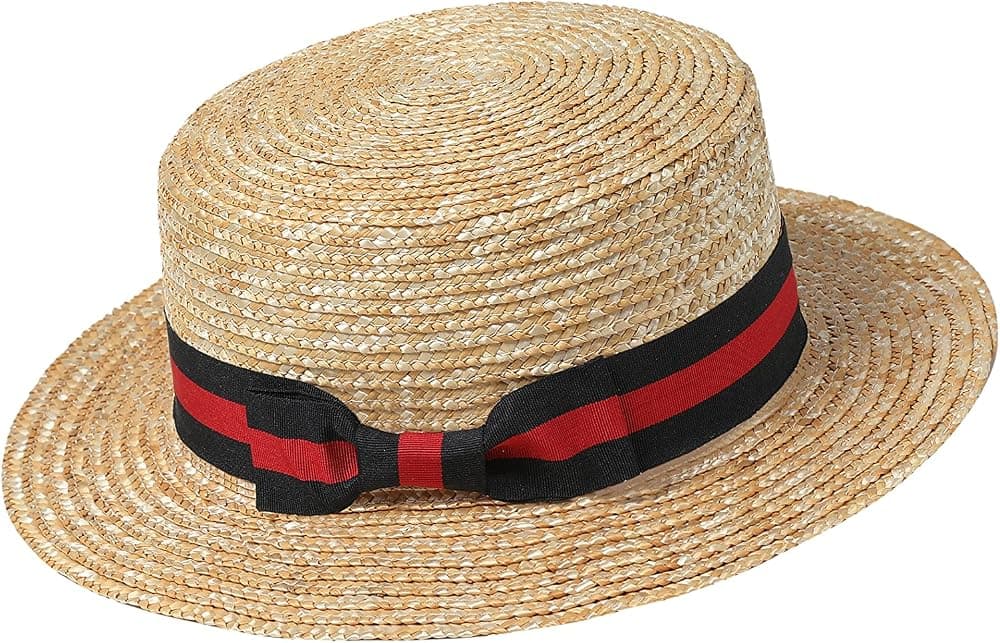
For 2026 the Queen Anne crowd is leaning into jewel-tone wool suits and double-breasted cuts -- forest green, burgundy, deep blue, tobacco -- with a contrasting tie and a Panama-style hat that nods to the morning-dress culture next door without committing to it. It is the most photogenic enclosure on the racecourse because the dress code is tight enough to enforce a baseline but loose enough to allow real personality.
Village Enclosure
Open Thursday through Saturday only, the Village Enclosure is the newer "festival" zone of Royal Ascot -- a more relaxed atmosphere with live music, food stalls, and a younger crowd. Dress code for men: smart dress with a jacket and collared shirt. A tie is not required. Full-length trousers required. No jeans. No shorts. No trainers.
What is actually enforced in the Village: jackets are checked, collared shirts are checked, footwear is checked. You can pass in a navy linen blazer, an open-collar pink shirt, chinos, and brown loafers. You can pass in a full suit with no tie. You cannot pass in a polo shirt and chinos. The distinction matters: a polo has a collar but is not "a collared shirt" in Ascot's reading -- Ascot means a proper button-down or spread-collar shirt. Polos read as golf, and the Village is not golf.
Windsor Enclosure
The general admission enclosure on the inside of the track, opposite the grandstand. Around £45-£60 per day, family-friendly, picnic-friendly, lawn-and-rail energy. Dress code: smart casual. No formal rules beyond no fancy dress, no replica sports kit, no offensive slogans, no torn or distressed clothing.
In practice, Windsor sits between a county wedding and a county show. Chinos and a shirt with rolled sleeves work. A blazer is welcome but not required. Ladies wear dresses or smart trousers. Hats are common but optional. The Windsor crowd is where you will see the widest range of dress -- a guest who could not get a Royal Enclosure invite but wanted to wear morning dress anyway, standing next to a guest in a linen blazer and no tie, standing next to a family eating sandwiches on a picnic rug.
What Actually Gets You Turned Away
Across enclosures, the universally-refused items. Ascot stewards are polite, but consistent, and there is a small "compliance room" at the Royal Enclosure entry where over-dressed-down guests can wait while a friend brings them a tie or jacket from the car park.
No top hat in the Royal Enclosure. The single most-checked item. If you forgot it, you will be sent back. Hire shops in Ascot village stock them through the week; this is not a secret but it is an avoidable problem.
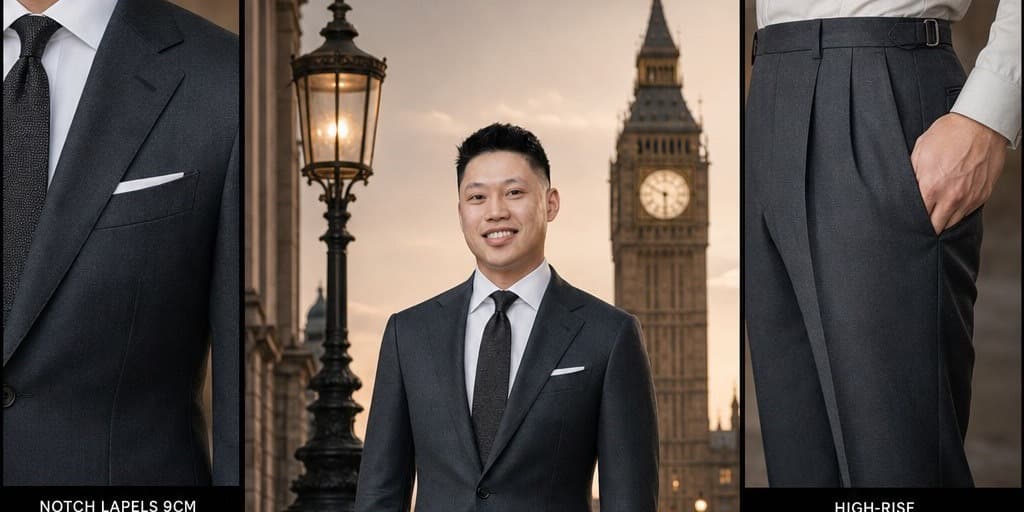
City suit instead of morning dress in the Royal Enclosure. A navy three-piece suit is a suit. It is not morning dress. A morning coat has cutaway tails and is single-breasted with a peaked or rounded lapel. If your jacket has a normal hem, you are not in morning dress.
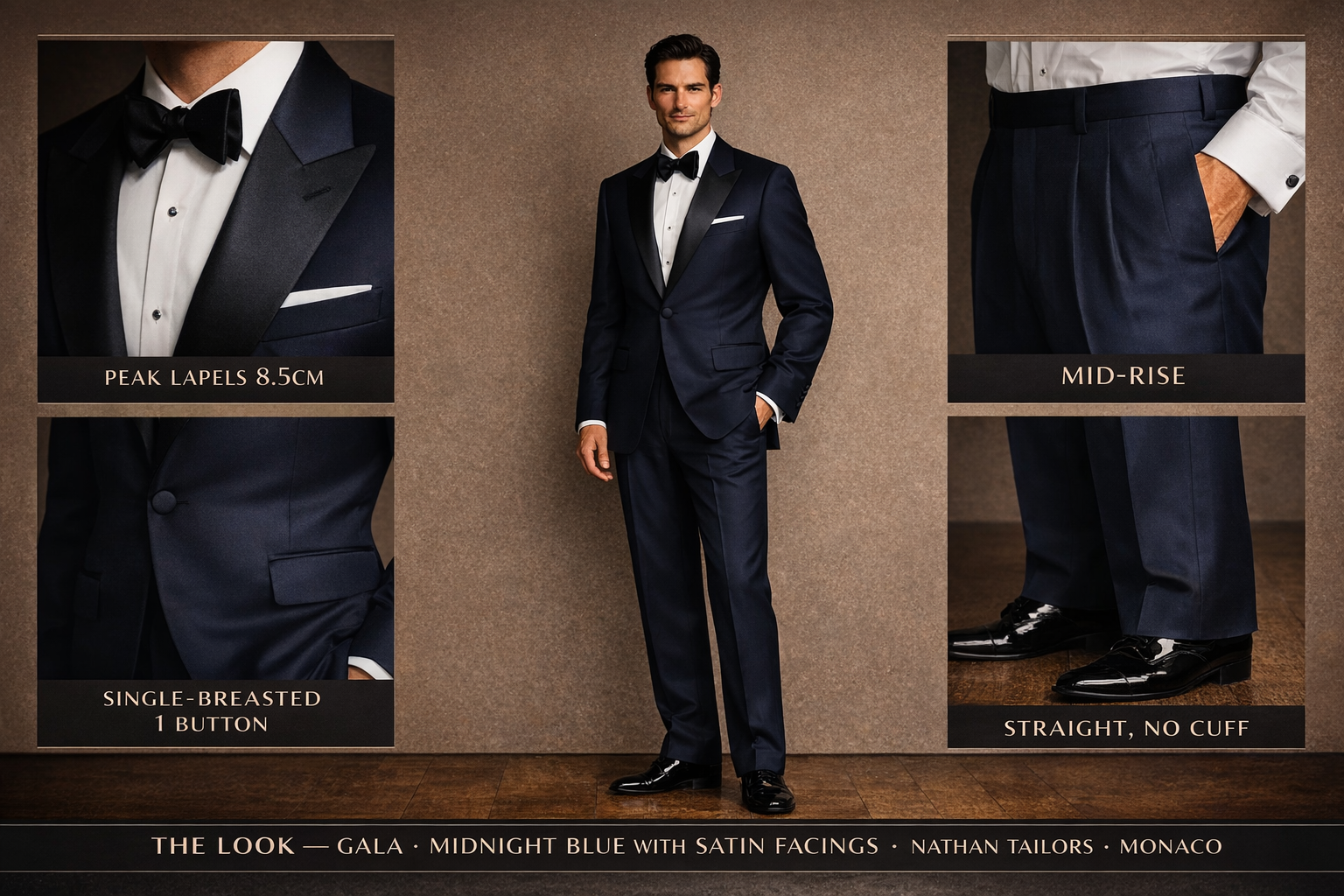
Tuxedo or dinner jacket in any daytime enclosure. Black tie is evening dress. Royal Ascot is daytime racing. The two do not mix and stewards will refuse a tuxedo at the Royal Enclosure rope.
Loafers and brogues at the Royal Enclosure. Black plain oxfords or plain-toe derbies only. Tassel loafers, penny loafers, monks, and brogues are all refused.
No tie in Queen Anne. The tie is enforced. Open-collar does not pass.
Polos in Queen Anne and Village. A polo shirt has a collar but is not a "collared shirt" in Ascot's reading. Bring a proper shirt.
Jeans in any enclosure except Windsor. And even in Windsor, very dressed-down denim gets a long look.
Trainers anywhere except Windsor. Including white leather fashion trainers.
Fancy dress, novelty hats, replica sports kit. Refused at all four enclosures.
Morning Dress, Deep Dive
If your badge is for the Royal Enclosure, this is the section that matters. Morning dress is built around six pieces and a hat, and the variation room is inside each piece.
The Morning Coat
Single-breasted, peak or rounded lapel, with a curved cutaway from the waist seam down to two tails at the back. Two colours are acceptable in the Royal Enclosure: black (the most formal and the safest), or Oxford grey (a touch less formal, very common at the Friday and Saturday meetings). Navy is not acceptable. Charcoal is not acceptable; charcoal is a city suit colour.
The 2026 cut has quietly modernised. The classic morning coat has a deep skirt, low button stance, and a heavy weight wool. The modern morning coat -- as worn by the younger Royal Enclosure crowd -- sits closer to the body, has a slightly higher button stance, and is cut in a 9-10 oz wool rather than a 14 oz so it reads less costumed. You do not want a skinny morning coat (the skinny suit era is over -- we wrote about that here), but you also do not want the boxy heritage cut your grandfather wore. The current sweet spot is "structured but proportional."
The Waistcoat
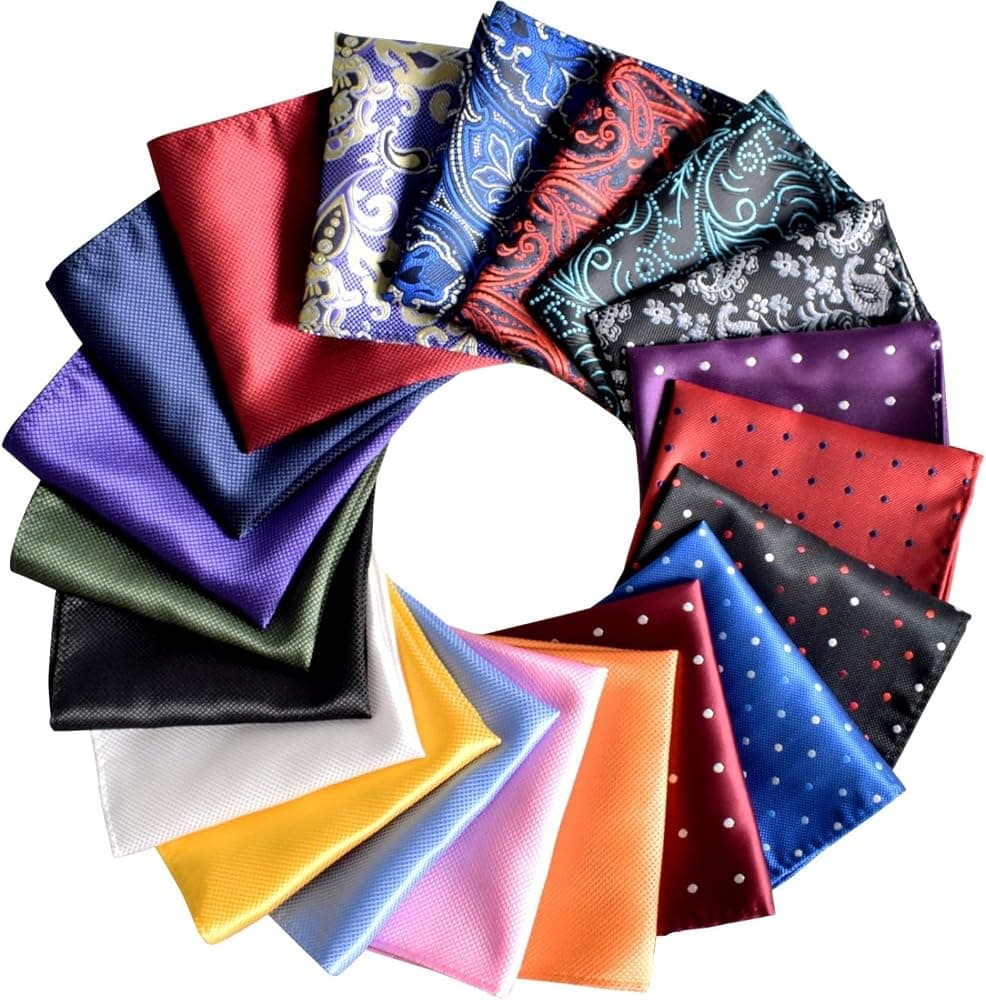
Single-breasted or double-breasted, both acceptable. Lapelled or non-lapelled. Colour is where the modern Royal Enclosure has the most room: dove grey, buff, pale yellow, sage, soft blue, and deeper jewel tones (forest green, oxblood, deep teal) are all accepted as long as they are plain or very subtly patterned. What still gets a steward's second look is anything with a loud novelty print -- racing silks, hunting scenes, Union Jacks, regimental colours you have no business wearing. Plain wins. The cleanest 2026 move is a single-breasted shawl-lapel waistcoat in a soft jewel colour (sage, dusty rose, deep teal) with a white pocket square handkerchief in the morning coat.
The Top Hat
Two are acceptable: black silk (with a black morning coat -- the more formal pairing) or grey felt (with either a black or grey morning coat -- less formal, more weather-flexible, more common Thursday onward). A genuine vintage silk top hat is the prestige choice and runs £400-£1,200 second-hand. A new wool-felt top hat from Lock & Co or Christys' runs £200-£400 and passes Royal Enclosure inspection without comment. Hire is widely available in Windsor and Ascot for £50-£90 across the week if you do not own one and do not plan to attend again.
The Shirt and Collar
White only. Turn-down collar is the modern standard and is universally accepted. Wing collar (the stiff detachable collar with folded-down points) is more traditional, slightly more formal, and still seen on the older Royal Enclosure regulars. Plain white poplin shirt, double cuff (French cuff) with silk knot or simple cufflinks. No coloured shirt. No striped shirt. No button-down collar.
The Tie or Cravat
A regular silk necktie is the most common 2026 choice -- 3-inch blade, woven silk, a single colour or a subtle pattern. A cravat works and looks slightly more period; the modern revival of the day cravat has been gradual but real. A "puff" tie or self-tied scarf style is acceptable. Bow ties are not -- bow ties belong with evening dress. Avoid printed novelty ties (racing silks, regimental colours you do not own, slogan ties).
The Trousers
Either matching the morning coat (the "matched" set), or in pale grey houndstooth or fine stripe (the "morning suit" in the traditional sense, where the trousers contrast against a black coat). Both are equally acceptable in the Royal Enclosure. Side stripes (the satin stripe down the seam) are for evening dress only -- do not wear them with a morning coat. Trouser cut should be straight or with a very mild taper, with a slight break at the shoe. No cropped morning trousers. Ever.
The Shoes
Plain black oxford or plain-toe derby. Polished. Leather sole preferred. No brogueing, no toe cap perforation, no broguing detail of any kind. Loafers, monks, boots, and suede are refused at the Royal Enclosure rope. Brown shoes are refused. The shoe is the easiest mistake to make and the easiest to fix.
The King Charles Reset
One macro point worth pulling out, because it explains why morning dress has felt slightly different the last two seasons. King Charles, by temperament and by record, is a tailoring conservative -- a Savile Row regular for fifty years, a long-standing client of Anderson & Sheppard, and a quiet enforcer of dress code traditions across the royal calendar. His reign has coincided with a soft reset at Royal Ascot: morning dress enforcement is tighter than it was in the late Elizabeth years (top hat compliance is up, novelty waistcoats are down), while the modern modifications inside morning dress (jewel-tone waistcoats, slightly trimmer cuts) have been quietly accepted as long as the silhouette holds.
In practice this means: do not show up in 2026 thinking the rules have loosened. They have not. What has happened is that the rules have been re-tightened on the visible items (hat, coat, tie type) while modern colour and proportion choices that respect the silhouette pass without comment. The signal Ascot is sending is "stay in the lane, but you can pick your own paint."
Tradition vs. Rule
Much of what people call the "Royal Ascot dress code" is tradition that has been mistaken for regulation. Useful to separate the two before you spend money.
Tradition, not rule. Top hat colour matching the morning coat (you can wear a grey hat with a black coat at the Thursday meeting and nobody will say anything). The boutonniere (carnation or rose in the buttonhole; lovely, expected, not enforced). The pale grey houndstooth trouser (matched trousers are equally acceptable). The wing collar (turn-down is universally accepted).
Actual rule. Morning coat in black or grey at the Royal Enclosure. Top hat worn outside private spaces. Waistcoat. Plain black formal shoes. Tie (not bow tie). Full-length trousers. Jacket and tie at Queen Anne. Jacket and collared shirt at the Village. The list is short and it is enforced.
Know which is which. Then decide which traditions you want to borrow (the carnation is a nice touch) and which you want to leave (you do not need a wing collar). That is how men inside every Ascot enclosure -- from the Royal Enclosure down to Windsor -- look like they belong rather than like they are copying photos from a Country Life spread.
How Nathan Tailors Fits In
If you are reading this in mid-May 2026 with a Royal Enclosure badge in your jacket pocket and no morning dress to wear, you have three options. Option one: hire. Moss Bros runs an Ascot morning-dress hire programme that will get you into the Royal Enclosure for around £160-£220 for the week, in a generic black or grey morning coat with grey trousers, waistcoat, shirt, and tie. It works. The fit is approximate. Option two: buy off-the-rack. Oliver Brown, Cordings, and Favourbrook all carry Royal Ascot morning dress; expect £1,200-£2,800 for a full set in middle-tier wool. Option three: have one made.
Our custom wool suits start at $149 for a wool blend and run to $309 for premium Australian merino. A morning coat is a more complex cut than a city suit -- the curved cutaway, the tails, the waistcoat -- so a full morning dress set (coat, waistcoat, trousers, shirt, tie) sits above our standard suit menu and is quoted individually, in 9-10 oz worsted wool -- the waistcoat ($69-$109) and trousers ($69-$109) come from the regular menu, and the full set still lands well under any London made-to-measure equivalent.
Timeline math matters. Today is May 13, 2026. Royal Ascot opens June 16. Our production is 3-4 working days once your measurements are confirmed -- about two to three weeks door to door, with DHL Express taking 6-8 days in transit to London. A morning dress set ordered today arrives in London in early June -- comfortably before the Tuesday opening of Royal Ascot. After May 18 the calendar gets aggressive. After May 25 the only honest answer is "hire this year, order custom for Glorious Goodwood and next year's Ascot."
For the Queen Anne or Village Enclosure, the suit math is friendlier. A custom linen suit for the warmer afternoons sits at $169-$209 and can land in time even if you order in early June. A jewel-tone wool suit for Queen Anne -- forest green, burgundy, deep teal -- runs $189-$249 and pairs with a knit tie or cravat for an outfit that reads modern Ascot without leaning costume.
If you have been to Royal Ascot once on a hired morning suit and you are going again, the calculus changes. A £200 hire on a four-day meeting works once. Over three years of meetings, a custom set has paid for itself, and you own a piece you can also wear to a London summer wedding, a country house weekend, or a daytime christening.
If You Are Reading This and Travelling From the US or Australia
A surprising number of our clients order Royal Ascot morning dress while sitting in New York, Sydney, or San Francisco, then collect at their London hotel three days before the meeting. The reason is straightforward: London morning-dress retail is excellent but priced for residents; hire is fine but never fits; and an off-the-peg morning coat shipped from a US retailer typically arrives in a single-fit cut that ignores the cutaway proportions entirely. A made-to-measure set from us, sent DHL to your Mayfair hotel, lands in the same window as your flight -- often before it.
For Australian readers travelling north for the European summer, the same logic applies and the timing is gentler because you are typically passing through Hoi An on the way to the UK. Our Melbourne Cup write-up (here) covers the November end of the same wardrobe; Royal Ascot just shifts the same set of decisions to June.
Related Reading
If you are working out a broader 2026 racing-and-formal wardrobe, our Kentucky Derby dress-code guide is the closest US analogue -- different rules, same logic of "tradition vs. enforced rule." For the silhouette and proportion discussion that underpins every modern morning coat decision, the skinny-suits-are-over piece is the primer. And if you are reading this and realising what you actually need is a summer-wedding suit rather than a morning coat, this one is the right next click.
Ascot rarely travels alone. About three weeks later comes Henley Royal Regatta -- the same English-summer wardrobe, a different and equally enforced dress code (lounge suit or blazer, not morning dress). And for the American side of the same season, the Triple Crown style guide covers the Kentucky Derby, Preakness and Belmont as one connected wardrobe.
A Morning Coat You Will Own For a Decade
Custom morning dress and Ascot-ready wool suits, cut in our Hoi An workshop, delivered worldwide via DHL in about two to three weeks. Wool from $149. Linen from $169. Full morning dress sets quoted individually. Jewel-tone waistcoats in over 30 shades.
25+ years | 520+ five-star Google reviews | 5,000+ clients across 50+ countries
Jay is a former Wall Street bond trader turned Nathan Tailors partner. He has attended Royal Ascot on a Queen Anne badge and watched, from twenty feet away, a guest in a perfectly cut charcoal three-piece city suit get politely walked out of the Royal Enclosure rope because he was not in morning dress. He does not want that for you.