A note from Jay: I lived in the US for ten years -- Pennsylvania, New York City, Houston -- before I settled in Hoi An. But I have hosted enough Australians at Nathan Tailors to know the drill. You land in Da Nang, slightly suspicious because it is not Bali, slightly curious because your Vietnamese mate from Melbourne would not shut up about it. Three days later you are WhatsApping your group chat: "Cancel Seminyak. I found the place." This guide is for the version of you that has not booked yet. The version that is still thinking about another Bali trip even though, deep down, you know Bali stopped being Bali a while ago.
The Bali You Remember Does Not Exist Anymore
Let me say something that everyone is thinking but nobody at the travel agency is saying: Bali peaked.
It peaked and that is okay. Every great destination has a golden era. Bali's was roughly 2005 to 2015 -- cheap Bintangs on the beach, empty Ubud rice terraces, discovering warungs that served the best nasi goreng you had ever tasted for two dollars, and that feeling of being somewhere genuinely different from home. It was magic.
Then Instagram happened. Then the influencers happened. Then the beach clubs started charging $30 AUD entry with a "minimum spend" on top. Then Canggu turned into a co-working space with a cocktail bar attached. Bali welcomed 7.05 million international visitors in 2025 -- an 11% jump from the year before -- and the Indonesian government is now introducing new tourism regulations for 2026 specifically to combat overtourism.
I am not saying Bali is bad. Ubud is still beautiful. The Hindu culture is still rich. The sunsets are still incredible. But the feeling -- that "I found something my mates do not know about" feeling -- that is gone. You know it. The $15 AUD cocktails at a Seminyak beach club where you are surrounded by people filming themselves know it. The two-hour traffic jam from the airport to Kuta knows it.
So here is what I want to tell you about Hoi An.
Hoi An Is the Bali of 2008 (But With Better Food)
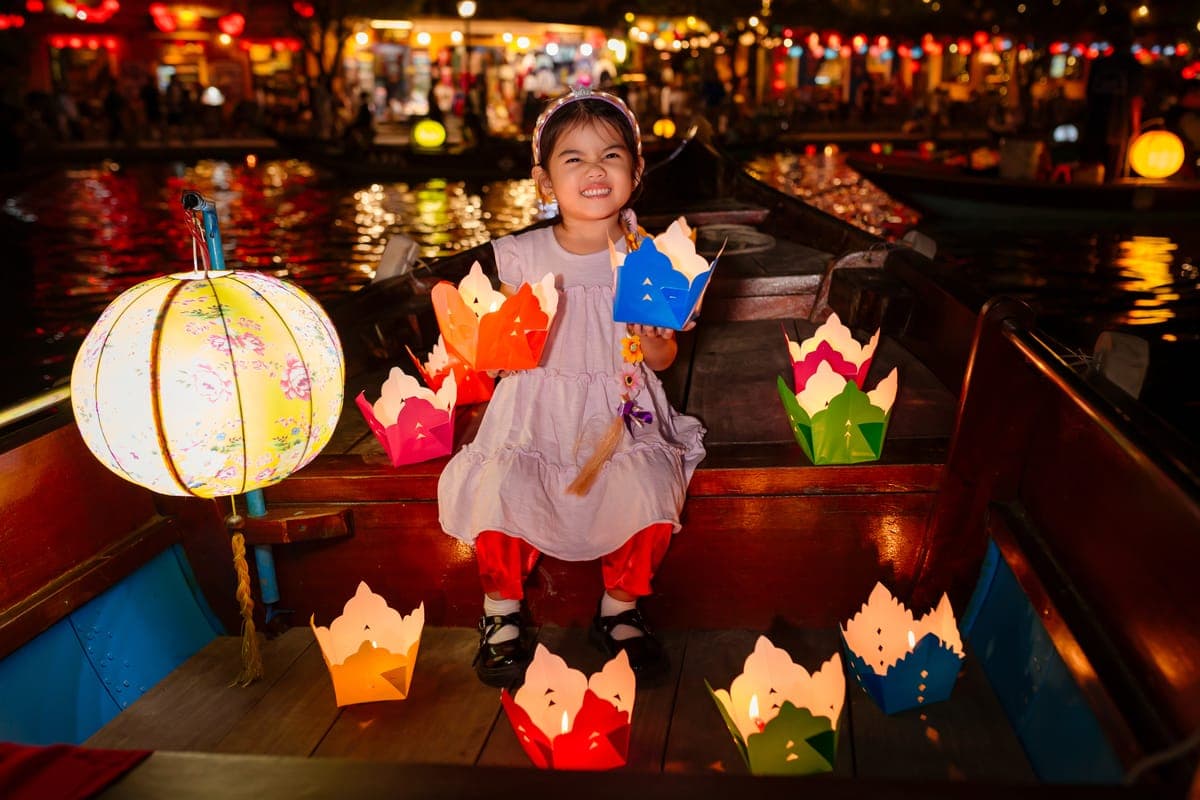
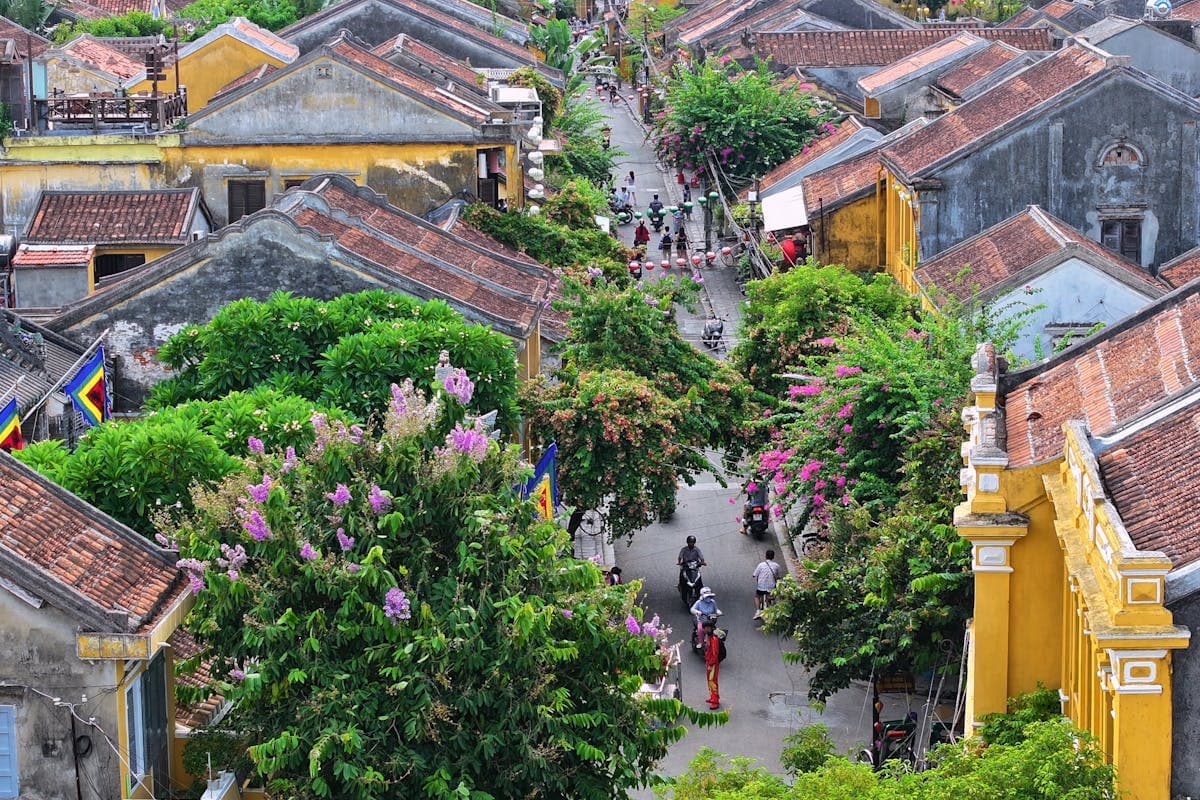
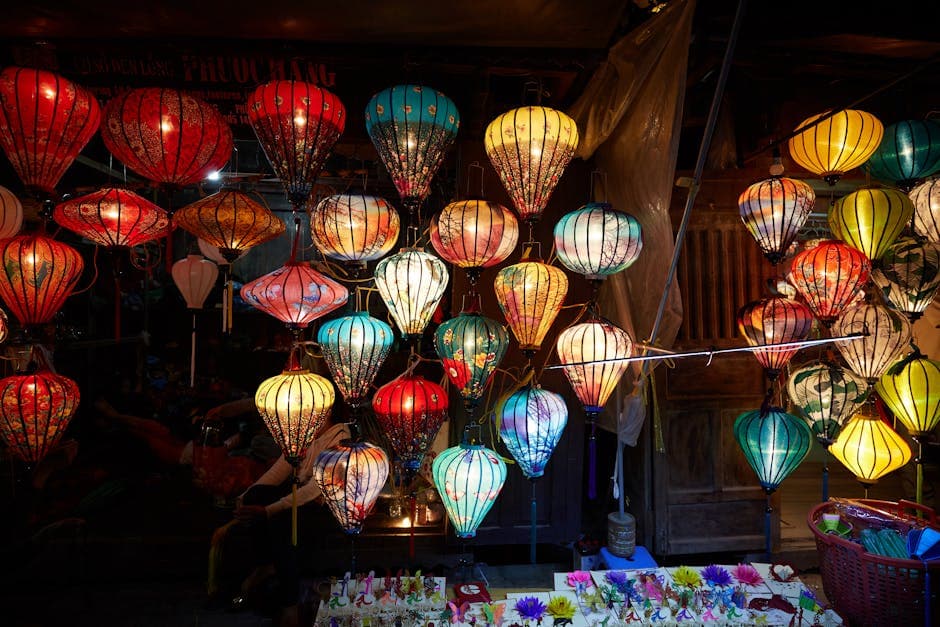
Hoi An is a UNESCO World Heritage town on Vietnam's central coast. It is 400 years old. It was a major trading port where Japanese, Chinese, and Vietnamese merchants all did business, and the architecture reflects that -- yellow-walled shophouses, Japanese covered bridges, Chinese assembly halls, tiled roofs, lanterns strung across every street. After dark, the silk lanterns come on and the entire Old Town glows. No electricity tricks. Just lanterns, candlelight, and the Thu Bon River reflecting it all back.
It is walkable. It is safe. The food is world-class. A full meal costs $5-8 AUD. A beer costs $2-3 AUD. And the vibes -- there is no other word for it -- are the vibes Bali used to have before it got corporatised.
Here is the side-by-side that every Australian who has been to both places will recognise:
Seminyak vs Hoi An Old Town
Seminyak used to be the charming bit of Bali. Boutiques, good restaurants, walkable streets. Now it is beach club sprawl, $20 AUD cocktails, and influencer photo queues at every corner. Hoi An's Old Town is what Seminyak felt like before the developers moved in -- narrow streets, artisan workshops, family-run restaurants, lanterns everywhere, and the sense that you are walking through something real, not something built to be photographed. The difference is that Hoi An has UNESCO protection, which means it cannot be bulldozed for a rooftop bar.
Kuta vs An Bang Beach
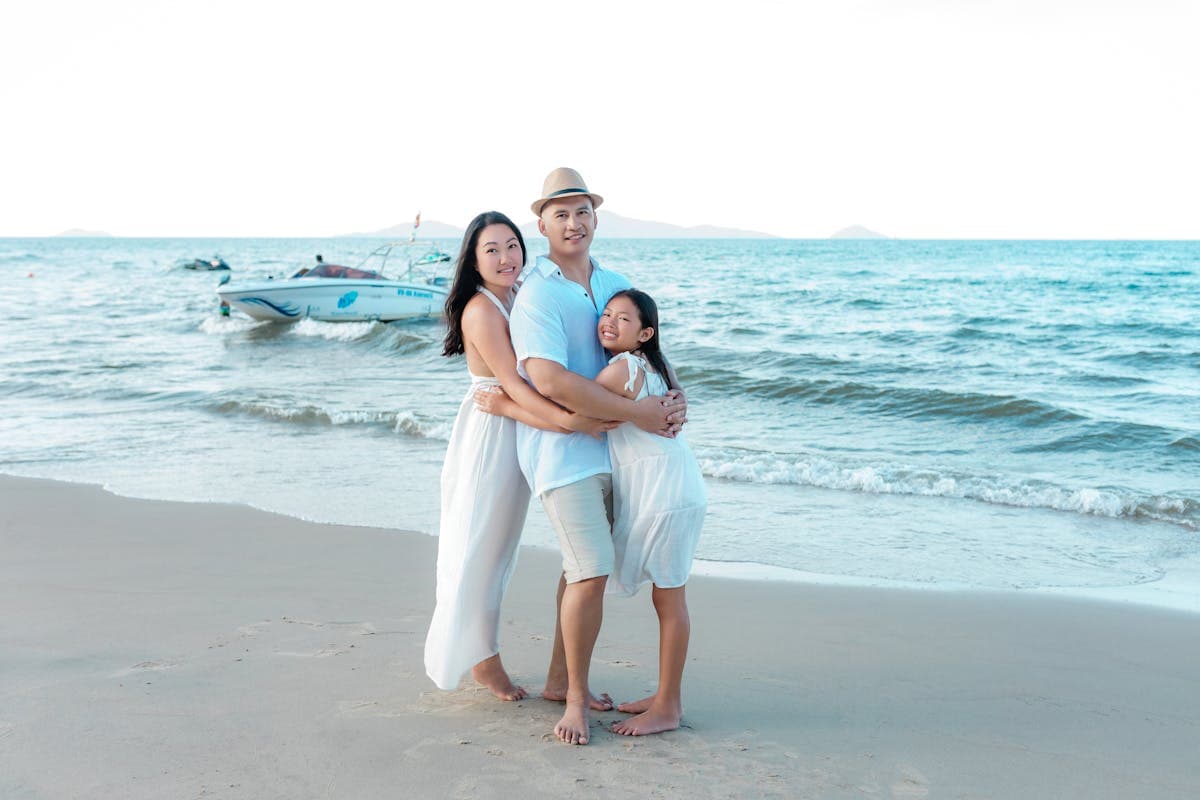
Kuta was great in 2003. Now it is the Gold Coast without the good coffee. An Bang Beach, 4 kilometres from Hoi An, was named one of Asia's best beaches and still feels spacious and relaxed. There are beachfront restaurants where you rent a sun lounger for $3-6 AUD, order fresh seafood and cold beers, and do absolutely nothing for five hours. No hawkers pushing cheap sunglasses every thirty seconds. No thumping bass from a day club. Just waves, food, and a book.
Ubud Rice Terraces vs Tra Que Village
Ubud's Tegallalang rice terraces are stunning -- and also an Instagram bottleneck where you queue for 45 minutes to take a photo on a swing that 200,000 other people have already posted. Tra Que Herb Village, 3 kilometres from Hoi An, is a 300-year-old farming village where the herbs that season Hoi An's food are grown organically. You can ride a bicycle there in 15 minutes, walk through the gardens, do a cooking class, eat what you made, and have the whole experience without a single person pointing a ring light at themselves. The rice paddies around Cam Thanh village are equally beautiful and equally uncrowded.
Bali Beach Clubs vs Riverside Lantern-Lit Dinners
A night out in Seminyak or Canggu in 2026 runs you $100-200+ AUD for drinks and entry. A cocktail at Potato Head is $22 AUD. A beer at Finns is $8 AUD. A lantern-lit dinner at a riverside restaurant in Hoi An -- with the river glowing, silk lanterns reflecting off the water, fresh cao lau and banh xeo on the table, and a cold Bia Hoi in your hand -- costs about $10-20 AUD per person. Total. Including the beers.
Bali's $15 Cocktails vs Hoi An's $2.50 Bia Hoi
Bia Hoi is Vietnam's fresh draft beer, brewed daily and served from kegs on the street. It costs about 10,000-15,000 VND -- that is $1 AUD. Even at a sit-down restaurant, a large Bia Saigon or Tiger is 25,000-40,000 VND ($2-3.50 AUD). For the price of one beach club cocktail in Bali, you can have a full arvo session in Hoi An -- four or five beers, a plate of spring rolls, and the sunset over the Thu Bon River. The maths is not even close.
Getting There from Australia (Easier Than You Think)
This is the part where most Australians assume Hoi An is hard to reach. It is not. It is roughly the same travel time as Bali, sometimes less.
You fly into Da Nang International Airport (airport code: DAD). From Da Nang, Hoi An is 30 kilometres south -- about 40-50 minutes by Grab (Southeast Asia's Uber). A Grab from the airport to your hotel in Hoi An costs around 250,000-350,000 VND ($16-22 AUD). We have a full guide on getting from Da Nang to Hoi An if you want the details.
Flight times by city:
- Sydney (SYD) to Da Nang: 8-10 hours total via transit in Ho Chi Minh City (HCMC), Singapore, or Kuala Lumpur. Return fares from roughly $400-700 AUD depending on season and airline.
- Melbourne (MEL) to Da Nang: 9-11 hours total. Same transit hubs. Fares from roughly $350-650 AUD.
- Brisbane (BNE) to Da Nang: 8-10 hours. Similar pricing to Sydney.
- Perth (PER) to Da Nang: 7-9 hours (Perth is closer to Asia than the east coast -- one of the rare perks). Often the cheapest fares from Australia.
Airlines to know:
- Jetstar -- Budget-friendly, direct to HCMC from multiple Australian cities, then a short domestic hop to Da Nang on VietJet or Vietnam Airlines.
- VietJet Air -- Vietnam's budget carrier. Cheap domestic flights from HCMC to Da Nang. Also has some routes from Australian cities.
- Vietnam Airlines -- Full-service, good for the transit through HCMC or Hanoi. More comfortable than the budget options, still affordable.
- Scoot -- Singapore Airlines' budget arm. Sydney/Melbourne/Perth to Singapore, then Singapore to Da Nang. Often the cheapest total fare.
- AirAsia -- Via Kuala Lumpur. Budget-friendly, reliable.
For context: a return flight to Bali from Sydney runs about $350-600 AUD in 2026. Da Nang is in the same ballpark. Sometimes cheaper. The "it is too far" excuse does not work here.
Pro tip: Fly into Da Nang, spend 3-4 days in Hoi An, then fly out of Da Nang. Do not make the mistake of basing yourself in Da Nang and "day-tripping" to Hoi An. That is like staying in Surfers Paradise and day-tripping to Byron. Stay where the magic is.
The Numbers Side by Side (All in AUD)
Because Australians think in dollars and common sense, here is what a week actually costs in each place per person:
| Category | Bali (Seminyak/Canggu) | Hoi An |
|---|---|---|
| Accommodation (per night) | $80-200 AUD | $50-130 AUD |
| Local meal | $8-25 AUD | $3-15 AUD |
| Beer (local) | $3-9 AUD | $1-3.50 AUD |
| Cocktail (restaurant/bar) | $12-25 AUD | $5-10 AUD |
| Beach lounger + drinks | $30-80 AUD (plus entry at some clubs) | $5-10 AUD (no entry fee) |
| Cooking class | $50-100 AUD | $40-95 AUD |
| 1-hour couples massage | $30-70 AUD | $19-32 AUD |
| Grab from airport | $12-35 AUD (depending on destination) | $16-22 AUD |
| What you bring home | Bintang singlet, hangover, $0 in savings | Custom suit, silk pajamas, a story |
A solid week in Hoi An -- good accommodation, eating well, doing activities, having beers every arvo -- runs about $700-1,200 AUD per person excluding flights. The equivalent in Seminyak or Canggu runs $1,200-2,500+ AUD, and you will spend half of it at a beach club that serves the same Bintang you can get at the warung down the road for a fifth of the price.
Your Vietnamese Mate Has Been Telling You to Go
There are 334,793 people of Vietnamese ancestry in Australia as of the 2021 Census. That is 1.3% of the entire population. The Vietnamese-Australian community is the fourth-largest Asian Australian group, after Chinese, Indian, and Filipino Australians. You know what that means in practical terms: there is a pho place on every corner in Footscray, Marrickville, Cabramatta, Inala, and half the suburbs in between.
Chances are solid that you have a Vietnamese mate, a Vietnamese colleague, a Vietnamese neighbour, or at least a Vietnamese restaurant you cannot live without. And at some point, one of them has said: "You should go to Vietnam. Not just Saigon. Go to Hoi An."
They are right. They have been right this whole time. Hoi An is where 300 years of Vietnamese, Japanese, and Chinese culture collided and created something you cannot find anywhere else -- not the food, not the architecture, not the atmosphere, not the tailoring. It is entirely its own thing.
And here is a fun detail for the Melbourne coffee snobs (I say this with love -- I have been to Melbourne, I respect the coffee): Vietnamese ca phe sua da will ruin you. Dark roast coffee dripped through a metal phin filter, poured over sweetened condensed milk and ice. It is intense, sweet, and strong enough to restructure your personality. You can get it at literally any cafe in Hoi An for about $1.50 AUD. You will be ordering phin filters online before your flight home.
Visa for Australians: 45 Days, No Drama
Australians can enter Vietnam for up to 45 days without a visa under the visa exemption policy. Free. No application. No paperwork. Just rock up with a passport valid for at least six months and two blank pages.
If you want to stay longer (up to 90 days), you can apply for an e-visa online before you go. It costs $25 USD (about $40 AUD) for single entry, $50 USD for multiple entry, and takes 3-5 business days to process.
For context: Bali requires a Visa on Arrival of 500,000 IDR ($50 AUD) for 30 days. Vietnam gives you 45 days for free. She will be right.
What You Actually Do in Hoi An (3-4 Days Is the Sweet Spot)
We have a full day-by-day itinerary if you want the deep dive, but here is the summary for planning purposes:
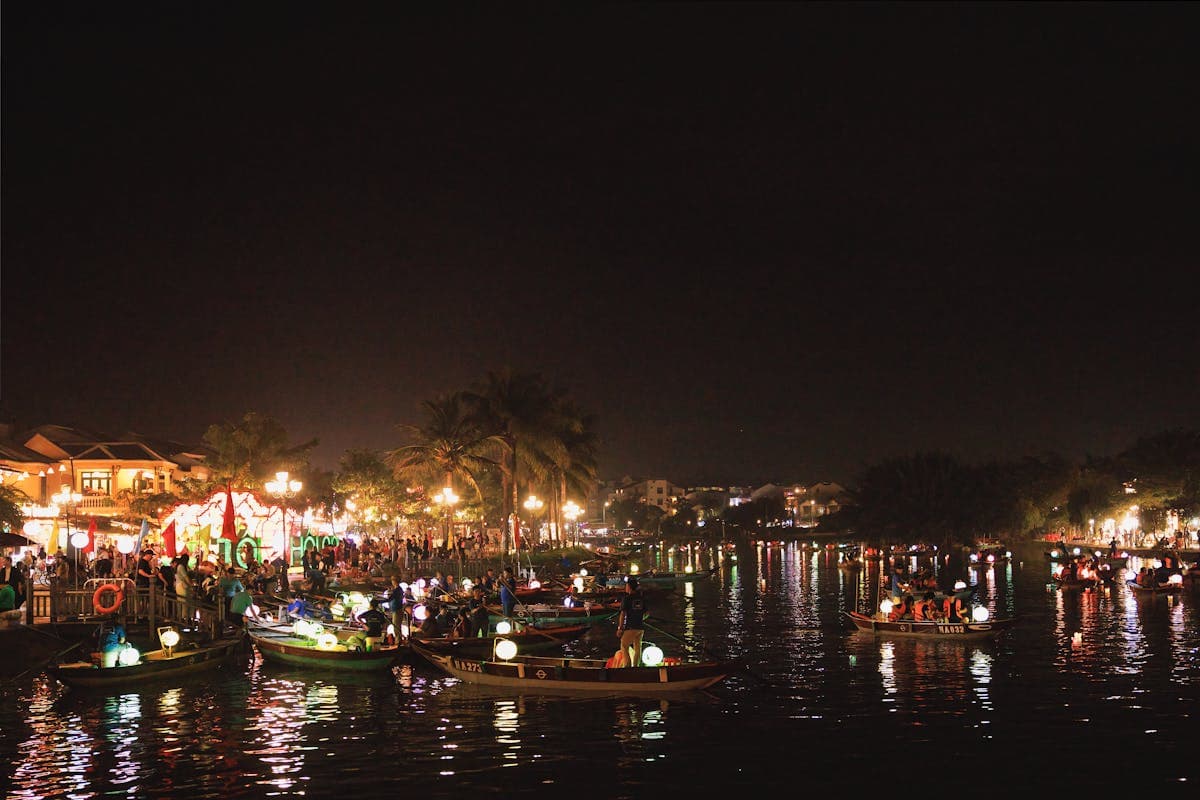
Day 1: Old Town, Central Market, Lanterns. Walk the UNESCO Ancient Town. See the Japanese Covered Bridge, the Chinese assembly halls, the yellow-walled streets. Eat cao lau (Hoi An's signature noodle dish -- you cannot get it anywhere else in Vietnam) and banh mi at Banh Mi Phuong (Anthony Bourdain's pick for best sandwich in the world). Browse the tailor shops -- this is important if tailoring is on your radar, because you want to get measured on Day 1 so the tailors have maximum time. Evening: lantern-lit riverside walk. Bia Hoi on the stone steps by the river. This is where Hoi An hooks you.
Day 2: Cooking Class and Countryside. Morning cooking class at Tra Que Herb Village -- market tour, herb garden walk, hands-on cooking, you eat what you made. It is the most-recommended activity in Hoi An for a reason. Afternoon: bicycle through the countryside to Cam Thanh coconut village, basket boat ride, rice paddies in golden afternoon light. First tailor fitting (takes 10-15 minutes, then you are free). Evening: dinner at The Field restaurant (tables overlooking actual rice paddies) or street food at the Central Market.
Day 3: Beach Day and Pickups. Morning at An Bang Beach -- lounger, book, cold beers, fresh seafood, no plan. Afternoon: final tailor fitting and pickup. Sunset from the Cam Nam bridge or An Bang beach bars. Last banh mi run.
Day 4 (if you have it): Cham Islands snorkeling day trip ($60-75 AUD including speedboat, gear, and seafood lunch), or a spa morning and more exploring. Honestly, by Day 4, you will have stopped planning and started just being here, which is the whole point.
The Bali Belly Question (Answered Honestly)
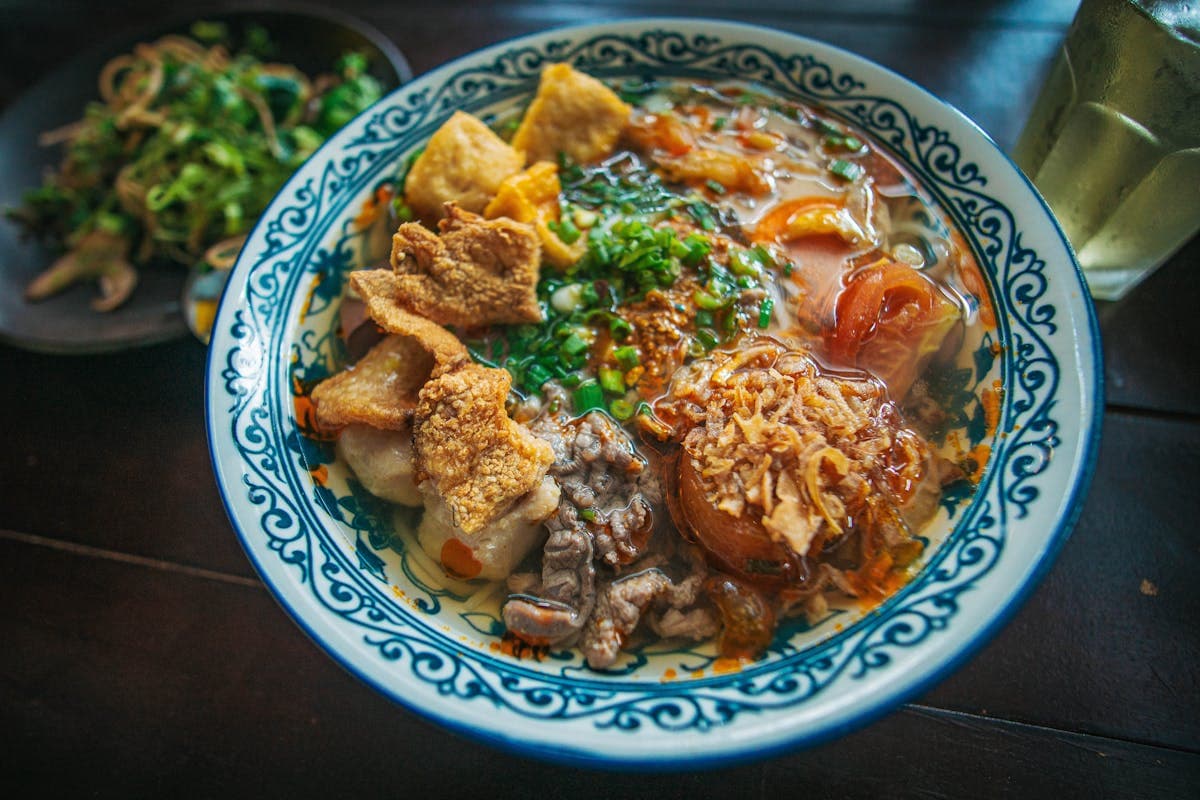
I know you are thinking about it. Every Australian who considers Southeast Asia thinks about it.
Here is the honest answer: Hoi An food is generally very clean. The street food culture here is robust, established, and not sketchy. The vendors at the Central Market have been cooking the same dishes in the same spot for decades. They are not cutting corners because they do not need to -- their reputation is their business.
Basic rules that apply everywhere in Asia apply here: drink bottled or filtered water, eat at places with high turnover (lots of locals = fresh food), and wash your hands. But I live here and eat street food multiple times a week without issues. Most visitors have zero problems. The food in Hoi An is its biggest attraction, not its biggest risk.
For the record: the four dishes you must eat are cao lau (chewy noodles, pork, herbs -- Hoi An exclusive), banh mi (the world's best sandwich, $2 AUD), com ga (turmeric chicken rice), and mi quang (turmeric noodle soup). Eat all four on Day 1 and you will understand why the Vietnamese-Australian community has been telling you to visit.
The Footy Trip That Turns Into Something Else
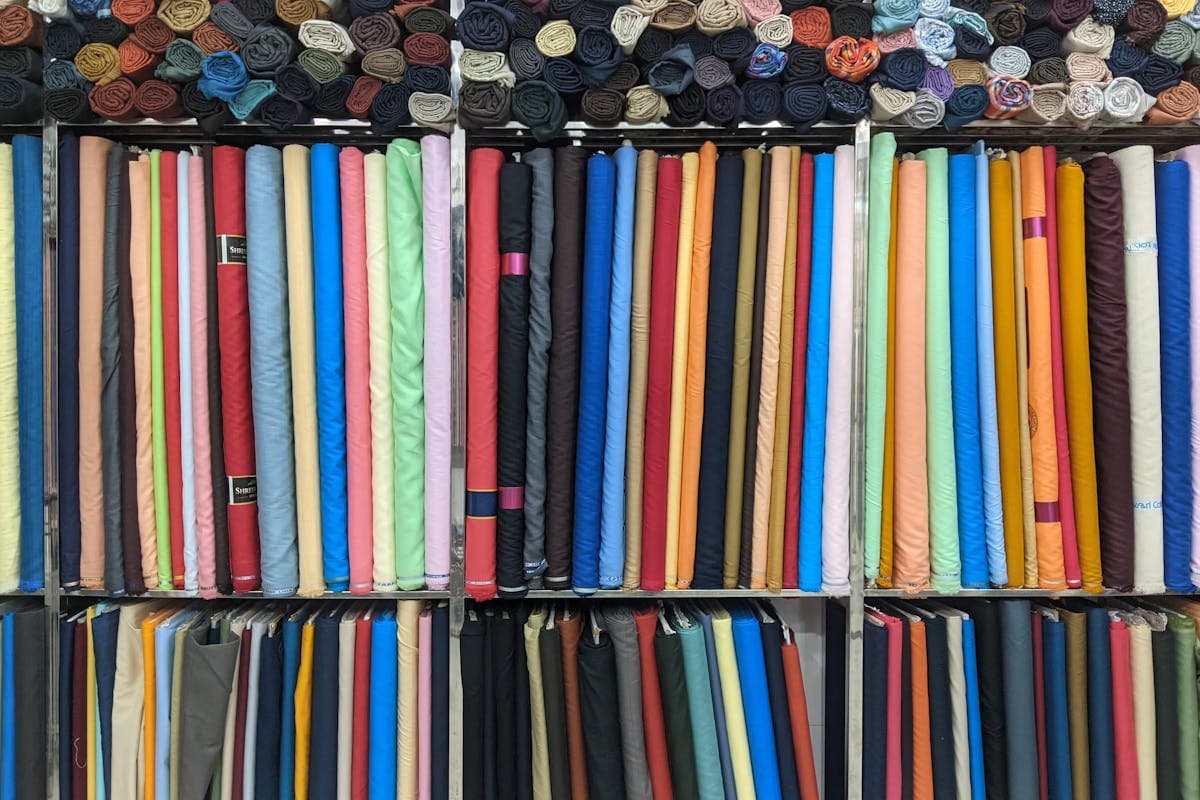
I see this pattern a lot at the shop. A group of Australian blokes arrive in Hoi An. They are on a boys' trip. Originally they were going to Bali because that is what you do. Somebody suggested Vietnam instead -- probably the mate who backpacked through in 2019 and would not stop talking about it. They agreed because the flights were cheap and they figured they would just drink cheap beers and eat well for a few days.
Then they walk into a tailor shop.
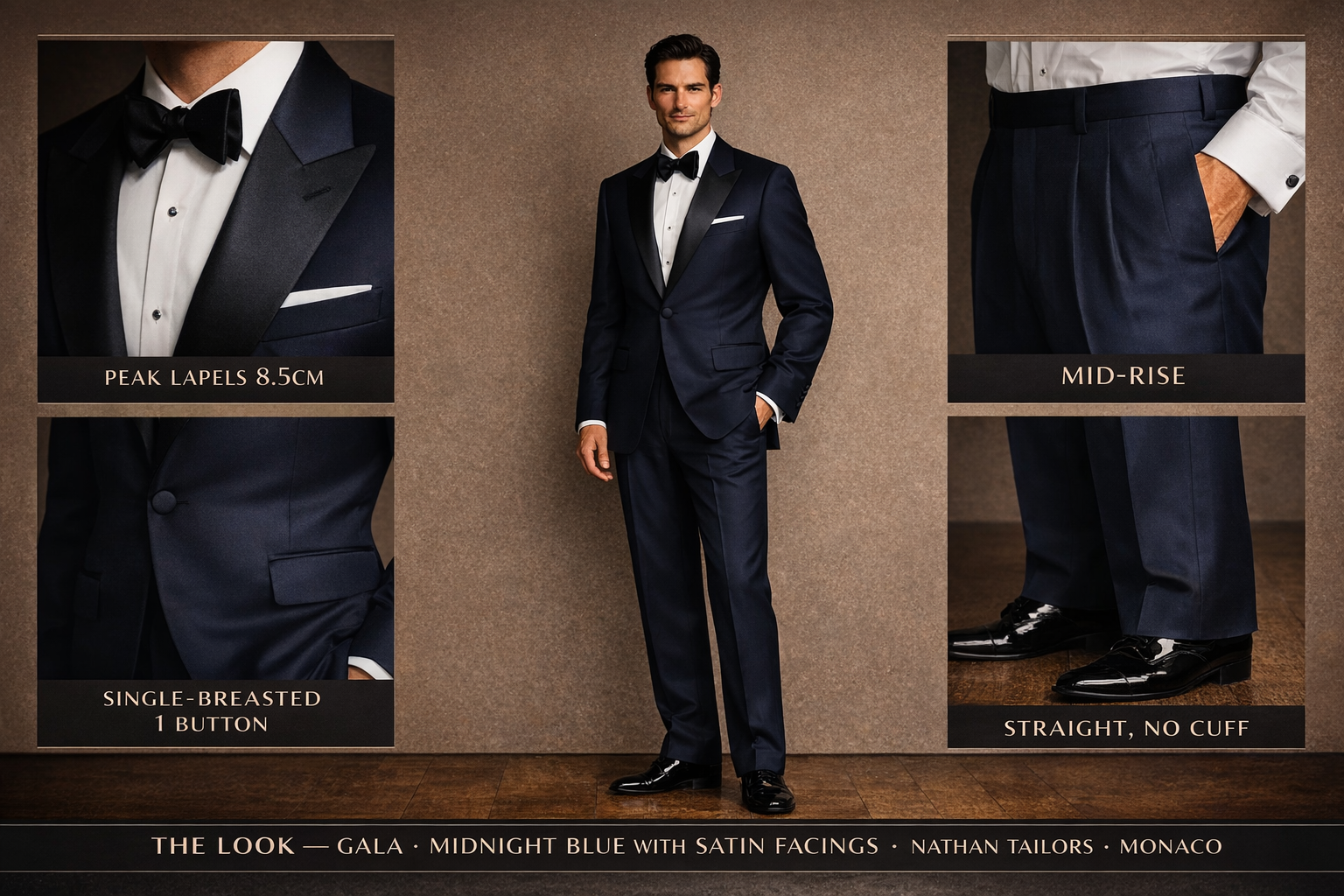
Suddenly the lad who lives in thongs and board shorts is trying on a navy wool suit and staring at himself in the mirror like he has just discovered a new person. His mate, who said he "did not need anything," is now holding three fabric swatches and asking about button-hole stitching. The one getting married next year is doing mental arithmetic on groomsmen suits. And the quiet one has ordered silk pajamas for his missus and is feeling very pleased with himself.
In Bali, you come home with a Bintang singlet, a wooden surfboard wall hanging, and a hangover. In Hoi An, you come home with a custom suit for under $350 AUD, a couple of tailored shirts for $40-70 AUD each, and the look on your partner's face when you walk through the door looking like a completely different person.
The suits here start from about $240 AUD for quality custom-made. Shirts from $60 AUD. Silk pajamas from $95-160 AUD. These are not cheap knockoffs -- the good shops work with real wool from established mill suppliers, not synthetic blends pretending to be wool. We are not claiming the cloth matches what a $4,000 luxury brand uses (it does not, and any sub-$300 shop telling you otherwise is selling a story). The reason it costs a fraction of Sydney pricing is simple economics: lower rent, lower labour costs, higher volume, no middlemen.
See our full menu and pricing if you want the specifics.
Why It Is Cheaper (The Economics in Plain English)
Australians are practical people. You want to know why it is cheap, not just that it is cheap. Fair enough.
A tailor shop in Sydney or Melbourne pays $80,000-$150,000+ AUD per year in rent. They see maybe 10-20 customers a week. They source fabric through Australian distributors who add their own markup. They need to charge $800-$3,000 AUD per suit just to keep the lights on. And they are good tailors -- the price is not a rip-off, it is the cost of operating in an expensive country.
A tailor shop in Hoi An pays a fraction of that rent. Labour costs are dramatically lower (though our tailors are well-paid by Vietnamese standards and have been doing this for 15-25 years). We see 30-50 customers a day, not 10 a week, which means our tailors have more reps, more practice, more experience with different body types and styles than most Western tailors get in a year. We source real wool through our supplier network in Vietnam, closer to the supply chain, without the Australian distributor markup.
The result: real fabric, real construction, more experienced tailors, a fraction of the price. It is not magic. It is not a scam. It is what happens when you cut out the middlemen and operate in a country with lower overhead. The same reason your pho in Footscray costs $16 AUD but $3 AUD in Saigon. Same bowl. Different economics.
Things Bali Does Not Have (That Hoi An Does)
- A 400-year-old UNESCO World Heritage town that you can walk through in thongs and a t-shirt, where every street feels like a film set.
- A 300-year tailoring tradition where you can walk into a shop at 10 AM, get measured, and pick up a custom suit three days later for under $350 AUD.
- Cao lau. A noodle dish that literally exists only in this one town because the noodles are made with water from a specific well and ash from trees on the Cham Islands. You cannot get it in Hanoi, Saigon, or anywhere else. Only here.
- The full moon lantern festival. Once a month, the electricity is switched off in the Old Town and the entire place glows by silk lanterns and floating candle boats. 2026 dates: January 2, February 1, March 2, April 1, May 30, June 28, July 27, August 26, September 24.
- $1.50 AUD coffee that will change your life. Ca phe sua da. Just trust me.
- An absence of tourist-trap energy. Nobody is going to grab your arm on the street and try to sell you a jet ski ride. Nobody is going to charge you $30 for a beach chair. Nobody is going to film a TikTok while blocking your path. It is just a lovely, genuine town that happens to welcome visitors warmly.
Things Bali Has (That Hoi An Does Not)
I am being honest here because that is how I do things:
- Surf. Bali has world-class surf. Hoi An has waves at An Bang Beach, but they are gentle beginner waves, not G-Land or Uluwatu. If you are going specifically for surfing, Bali is still your spot.
- Nightclubs. Hoi An is not a party town. It is a "cold beers by the river until midnight, maybe karaoke after" town. If you want clubs that go until 5 AM, that is Bali or Saigon.
- Hindu culture. Bali's temple ceremonies, the offerings on the streets, the Balinese Hindu traditions -- that is genuinely unique and beautiful. Hoi An has its own rich cultural heritage (Buddhist, Confucian, Vietnamese), but it is different, not a replacement.
- Pool villas. Bali has an enormous range of private villa accommodations. Hoi An has beautiful boutique hotels and homestays, but the Bali-style private pool villa market is smaller (though growing).
If those are your deal-breakers, fair enough. But if what you actually want from a holiday is great food, a beautiful place, genuine cultural experiences, good value for money, and the feeling of discovering somewhere your mates have not ruined yet -- Hoi An wins every category.
The Sunday Sesh Upgrade
Picture this. It is your last arvo in Hoi An. You are sitting on a plastic chair at a riverside stall. You have got a Bia Hoi in one hand and a banh mi in the other. The sun is dropping behind the Old Town and the lanterns are coming on, one by one, reflecting off the river in every colour. Your partner is wearing a custom linen blazer she got fitted yesterday. You are wearing a linen shirt that fits better than anything in your wardrobe at home. You paid $35 AUD for it.
Your mate back in Sydney sends a photo from a Canggu beach club. He is holding a $22 cocktail. The crowd behind him is 90% Instagram influencers. He paid $50 entry.
You look at the river. You take a sip of your $1.50 beer. You do not reply to the photo. You do not need to.
Practical Stuff for Australians
Currency. Vietnam uses Vietnamese Dong (VND). Rough conversion: $1 AUD = roughly 16,000-17,000 VND. ATMs are everywhere in Hoi An and work with Australian bank cards. Cash is king for street food, markets, and most local shops. Hotels and bigger restaurants take cards.
When to go. February through April is peak season -- dry, sunny, mid-to-high 20s Celsius. Perfect. May through August is hot (35-39C) but great for the beach. Avoid October through December -- that is monsoon season, and Hoi An can flood seriously (1-2 metres in the Old Town). If your only option is Aussie winter (June-August), it is hot but dry. She will be right.
Phone and internet. Buy a Vietnamese SIM card at Da Nang airport when you land -- about $8-12 AUD for a SIM with plenty of data for a week. WiFi is free and strong at almost every hotel, restaurant, and cafe. Download the Grab app before you go -- it is your taxi, it is your food delivery, it is your lifeline.
Health. No mandatory vaccinations for Vietnam from Australia. Travel insurance is a must (you know this). Standard Southeast Asia precautions -- sunscreen, stay hydrated, drink bottled water. Pharmacies are well-stocked and affordable.
Language. English is widely spoken in Hoi An's tourist areas -- hotels, restaurants, tailor shops. Outside the tourist zone, less so. Learn three words of Vietnamese: xin chao (hello), cam on (thank you), and bia (beer). Those three will get you surprisingly far.
Frequently Asked Questions
Is Hoi An safe for Australians?
Extremely safe. Violent crime is essentially non-existent. Petty theft is rare. The biggest "danger" is crossing the street -- motorbikes do not stop for pedestrians, so walk slowly and predictably and they will flow around you. Standard travel-smart precautions (watch your phone in crowds, do not leave valuables unattended) apply here as they do anywhere. But I live here and have never had an issue. It is one of the safest places I have been in Asia.
How does Hoi An compare to Bali for families?
Brilliant for families. The town is flat and walkable, the food is clean and varied, the beach is gentle, and there are activities for all ages (cooking classes, lantern-making, basket boat rides, cycling). We have Australian families come through the shop regularly -- mum gets a blazer, dad gets a suit, the kids get matching shirts for the family photo. It is genuinely one of the best family destinations in Southeast Asia.
Can I get by with just English?
In the tourist areas (Old Town, hotels, restaurants, tailor shops), yes, easily. Most people in Hoi An's hospitality industry speak conversational to good English. Google Translate handles the rest. You will be fine.
What should I get made at a tailor shop?
Start with a shirt. It is quick, affordable ($40-70 AUD), and lets you test the quality before committing to bigger items. If you love the shirt (you will), add a suit ($240-$495 AUD) or silk pajamas ($95-160 AUD). We have a detailed guide on fitting tailoring into a 3-day trip.
Is the fabric really the same as what they use in Australia?
Honest answer: the cloth at the very top of the Australian luxury tailoring tier ($3,000+ AUD) is genuinely better than what Hoi An shops stock at our prices, and we will not pretend otherwise. What we do offer is real wool from established mill suppliers, custom-cut to your body, at a fraction of comparable Australian mid-tier pricing ($800-$1,500 AUD). For that mid tier, the price gap is mostly rent, labour, and distributor markup -- not better cloth. Be skeptical of any Hoi An shop name-dropping specific heritage Italian mills; those claims are usually marketing fiction.
What about shipping if I order too much to carry home?
You will order too much. Everyone does. Options: buy an extra suitcase at the market for $25-50 AUD, ship via DHL or FedEx (quoted at cost by weight and destination before you pay), or use Vietnam Post EMS (cheaper, 2-3 weeks). Some shops ship for you. The total -- custom wardrobe plus shipping -- is still a fraction of what you would pay at home.
Can I go to Hoi An and Da Nang in the same trip?
Yes, and you should. Fly into Da Nang, head straight to Hoi An for 3-4 days. If you want, spend a day or two back in Da Nang on the way out for My Khe Beach, the Marble Mountains, and the Lady Buddha statue. But Hoi An is the priority. Do not shortchange it.
My mates want to do Bali again. How do I convince them?
Send them this article. Tell them the beers are $1.50 AUD. Tell them they come home with a custom suit instead of a Bintang singlet. Tell them there is no entry fee to the beach. And tell them their Vietnamese mate from work has been recommending it for years. Then book the flights before they can talk themselves out of it.
Come Say Hello
If you make it to Hoi An -- and I reckon after reading this, a few of you will -- come by Nathan Tailors at 127 Tran Hung Dao Street. We have been here since 1999. We have 530+ five-star Google reviews from 5,000+ clients worldwide, including plenty of Australians who arrived expecting Bali and found something better.
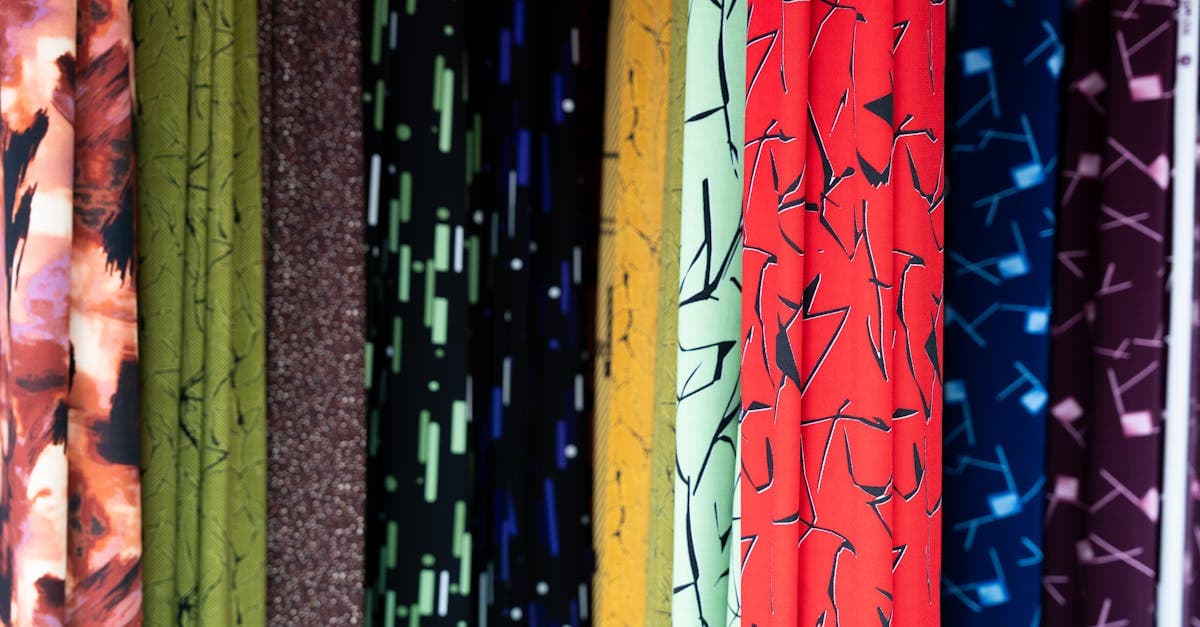
Linda, our Lady Boss, will ask you why you are so handsome (or why you are so pretty -- she does not discriminate). She will offer you a cold drink. You will start browsing fabric swatches. And somewhere between the second swatch and the third Bia Hoi, you will text your mate: "Forget Bali."
Questions about tailoring, travel, or anything Hoi An? Message us on WhatsApp. We are happy to help with sizing, design ideas, restaurant recommendations, or just general Hoi An intel. We live here. We love it here. And we reckon you will too.
Nathan Tailors -- 127 Tran Hung Dao Street, Hoi An, Vietnam. Established 1999. 530+ five-star Google reviews. 5,000+ clients worldwide. Ships to Australia via DHL/FedEx in 5-7 days. Also happy to recommend where to find the best banh mi and the cheapest Bia Hoi in town.
Plan your trip: 3-Day Hoi An Itinerary | Getting from Da Nang | Our Pricing | How to Measure Yourself