How to Measure Thigh Circumference for Pants and Trousers
Get the right thigh measurement for comfortable pants. Essential for athletic builds and well-fitting trousers.

How to Measure Your Thigh: Step-by-Step Guide
Stand with your feet shoulder-width apart
Keep your leg completely relaxed - don't flex
Wrap the measuring tape around the fullest part of your thigh
This is usually the upper thigh area, just below where your leg meets your body
Keep the tape perpendicular to your leg
The tape should be snug but not compressing your leg
Make sure you can slide the tape up and down slightly
Measure both thighs if you're very active in sports - they may differ
Progress: Step 1 of 8
Common Mistakes When Measuring Thigh Circumference
- ✗Measuring too low on the thigh (should be upper thigh)
- ✗Flexing or tensing the leg during measurement
- ✗Wrapping tape too tightly
- ✗Not accounting for larger thighs from athletic activity
Professional Tips for Measuring Thigh Circumference
- ✓Athletes, cyclists, and people who squat should pay extra attention to this measurement
- ✓If you have larger thighs, this measurement determines comfort in pants
- ✓Add extra ease if you sit a lot during the day
- ✓This is a key measurement that's often overlooked but crucial for fit
What Is a Normal Thigh Circumference?
Thigh circumference varies significantly based on height, body composition, and activity level. Here are the general averages for adults measured at the fullest part of the upper thigh:
| Category | Men | Women |
|---|---|---|
| Average | 21–23" (53–58 cm) | 20–23" (51–58 cm) |
| Athletic / Active | 24–27" (61–69 cm) | 22–25" (56–64 cm) |
| Competitive / Powerlifter | 27–30"+ | 25–28"+ |
These ranges are generalizations. Your ideal thigh size depends on your height, frame, and body composition. A 5'6" person and a 6'2" person with the same thigh measurement will have very different proportions.
Why Standard Pants Don't Fit Athletic Builds
Off-the-rack pants are designed around a standard thigh-to-waist ratio of 0.53–0.56. If your thighs are proportionally larger than your waist (a ratio of 0.58 or higher), which is common in athletic builds, standard pants will not fit properly.
Activities that build thigh circumference beyond the standard range include squats, deadlifts, cycling, running, soccer, rugby, hockey, and martial arts. If you regularly do any of these, you've probably experienced at least one of these problems:
- ✗Pants that fit your waist are too tight in the thighs
- ✗Pants that fit your thighs are too loose in the waist
- ✗Fabric pulling across the upper leg when you sit or squat
- ✗Inner thigh fabric wearing out within months
Once your thigh circumference exceeds about 24 inches, most off-the-rack slim and regular-fit pants become uncomfortable. At 26 inches and above, finding well-fitting pants without tailoring is nearly impossible.
Thigh Measurement to Pant Size Chart
Use this chart as a rough guide to estimate your US pant size based on thigh circumference. Keep in mind that brand sizing varies significantly — this is an approximation, not a guarantee.
| Thigh Circumference | Approximate US Pant Size |
|---|---|
| 19–20" | 28–30 |
| 20–21" | 30–32 |
| 21–22" | 32–34 |
| 22–23" | 34–36 |
| 23–24" | 36–38 |
| 24–26" | 38–42 |
| 26–28" | 42–46 |
| 28"+ | Custom recommended |
Pant sizes are based on waist measurement, not thighs. This chart assumes a proportional build. If your thigh-to-waist ratio is higher than average (common in athletes), you may need to size up and have the waist altered — or go custom.
Related Measurements
Custom Pants for Athletic Builds
Tired of pants that don't fit your thighs? Custom trousers from Nathan Tailors start at $69 — made to your exact measurements so the thigh, waist, and length all fit perfectly. No compromises.
Don't have a measuring tape?
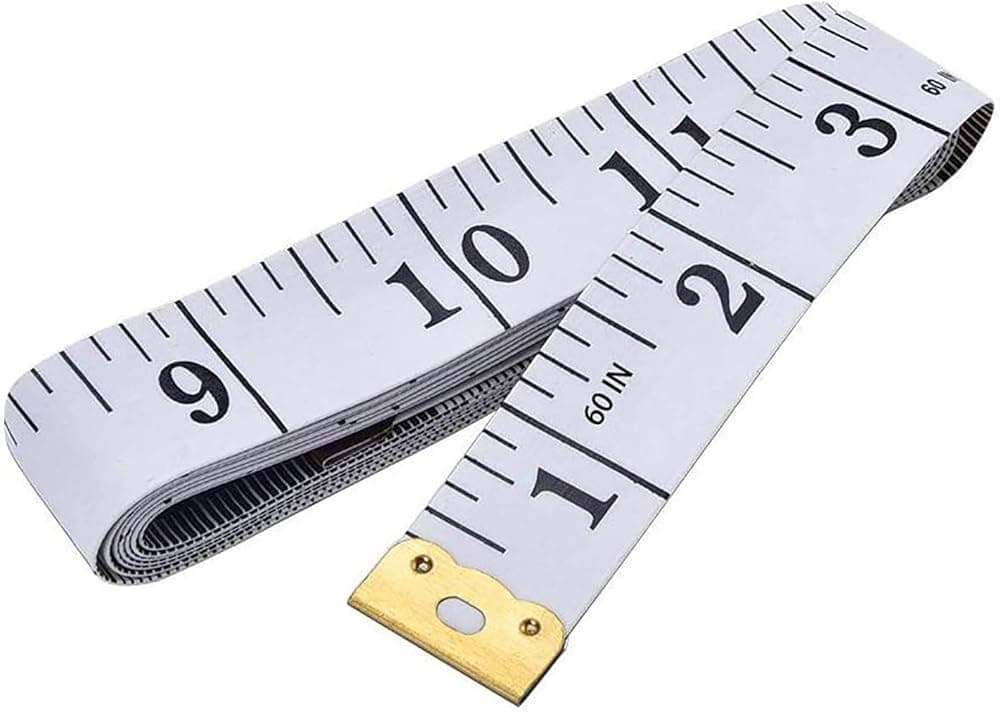
Soft Tailor’s Tape Measure — 60 in / 150 cm, dual scale
A flexible cloth body tape with both inches and centimetres — the exact kind we use in the workshop. Sixty inches covers any chest, waist, or hip. Grab two so you can hold one taut while you read the other.
As an Amazon Associate, Nathan Tailors earns from qualifying purchases — at no extra cost to you. Price is approximate; see Amazon for the current price.