The Slack Message That Started the Panic
It is 2:47 PM on a Tuesday. You are sitting at your standing desk in a WeWork on Park Avenue South, drinking oat milk cold brew from the communal kitchen, wearing a Patagonia Better Sweater, joggers, and Allbirds Wool Runners. Your Slack pings.
#general -- CEO: "Team -- client dinner Thursday at The Grill. 7:30 PM. Dress sharp. This is a big one."
Your stomach drops. Not because of the client. You have been prepping this pitch for weeks. You know the deck cold. You could present it in your sleep. The problem is you just scrolled through your mental wardrobe and came up with: four Patagonia vests, a collection of Allbirds in varying states of decay, a quarter-zip from your company's Series B celebration, and one navy suit from SuitSupply that you bought in 2023 for a wedding and have dry-cleaned exactly four times since.
You pull up The Grill's Instagram. Dark wood. Power bankers. Martinis that cost $24. The cheapest steak is $65. Everyone in the photos looks like they were born in a sport coat. You look down at your Allbirds. The imposter syndrome is already setting in, and the dinner is 48 hours away.
If this sounds familiar, you are not alone. I have had this exact conversation with hundreds of guys in their late twenties and early thirties -- smart, successful people who built careers in tech and startups where nobody cared what you wore, and now suddenly find themselves in rooms where people very much do. This guide is for you.
The Unspoken Dress Code at NYC's Power Restaurants
Here is the thing nobody tells you about Midtown power restaurants: there is no posted dress code. The Grill does not have a bouncer checking your outfit. Le Bernardin will not turn you away for wearing chinos. Peter Luger in Williamsburg is famously indifferent to what you wear. But that does not mean it does not matter.
When you walk into The Grill, Carbone, The Polo Bar, or Le Bernardin, you are entering a room full of people who communicate status through subtlety. Nobody is wearing a tuxedo. Nobody is wearing a three-piece pinstripe suit with a pocket square and cufflinks. But nobody is wearing a quarter-zip and sneakers either. The dress code is unspoken because the people who belong there already know it.
What "Dress Sharp" Actually Means in This Context
Let me decode what your CEO actually meant. "Dress sharp" at a Midtown client dinner translates to:
- A well-fitted dark suit -- not tight, not boxy, not shiny, not wrinkled
- A crisp dress shirt -- white or light blue, no patterns unless you really know what you are doing
- Leather shoes -- dark brown or black, no sneakers, no loafers with tassels, no square-toed monstrosities from 2015
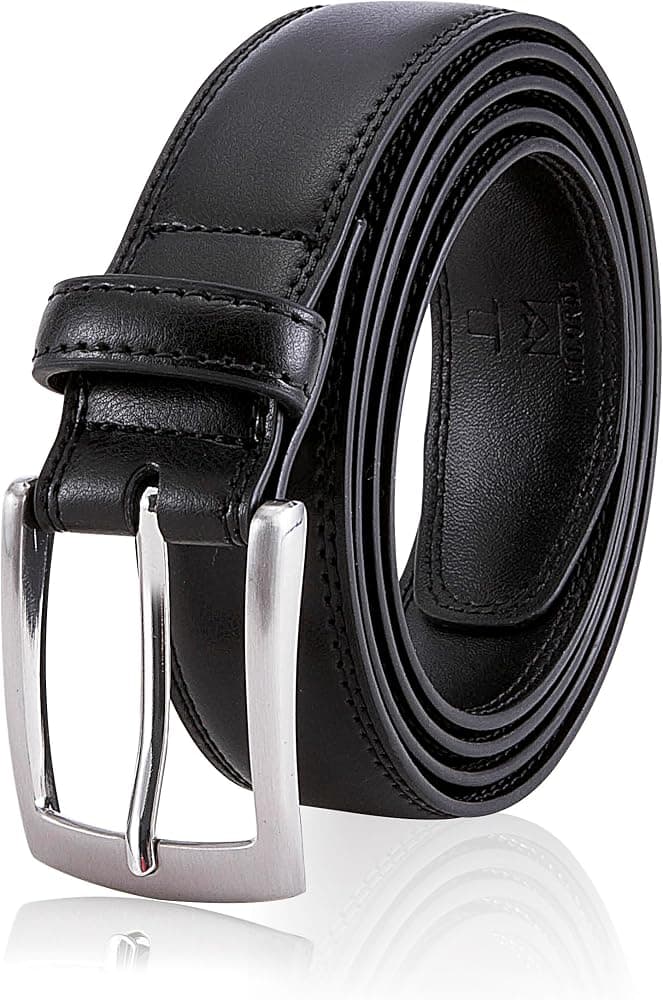
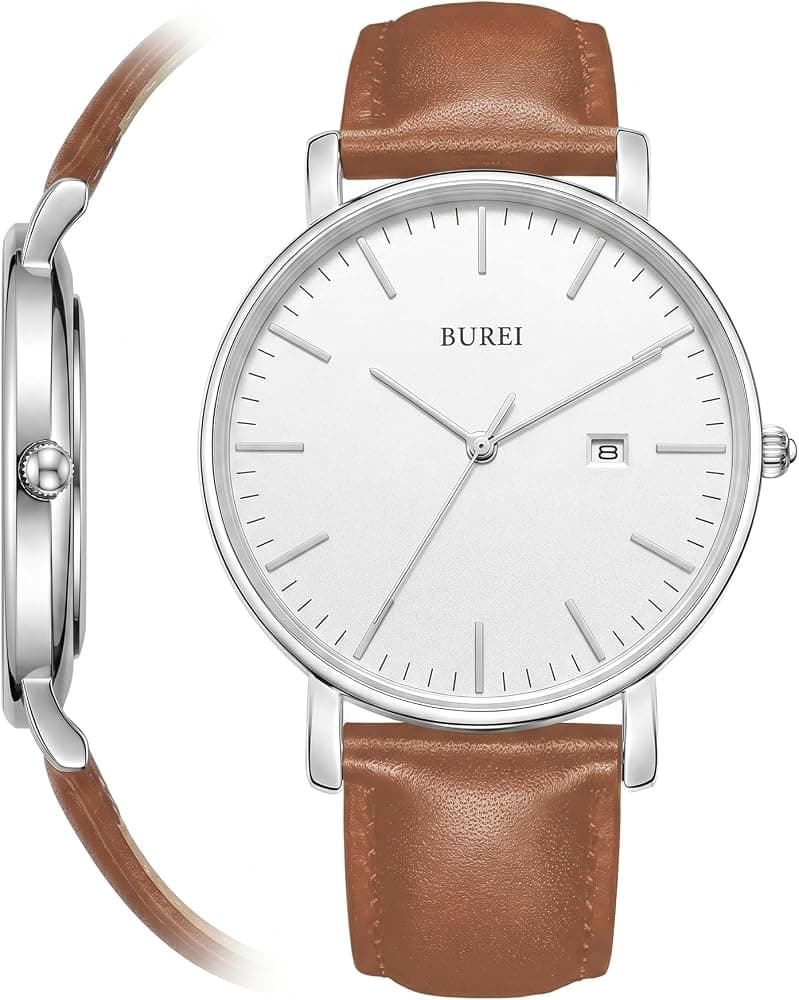
- Minimal accessories -- a clean watch if you have one, no novelty ties, no visible tech gadgets
- Grooming -- clean nails, trimmed beard, hair that looks intentional
That is it. The sweet spot is sharp but not try-hard. You want to look like a person who dresses well naturally, not like someone who rented a costume for the evening. The client across the table should be thinking about your pitch, not your outfit. But if your outfit is visibly cheap, ill-fitting, or inappropriate, that is all they will think about.
Restaurant-by-Restaurant Breakdown
| Restaurant | Neighborhood | Vibe | What to Wear |
|---|---|---|---|
| The Grill | Midtown East | Old-money finance, power lunch legacy | Dark suit, white shirt, no tie needed but would not look out of place |
| Le Bernardin | Midtown West | Refined, French elegance, Michelin three-star | Suit required (enforced). Dark navy or charcoal. Clean and classic. |
| Carbone | Greenwich Village | Celebrity-heavy, retro Italian, theatrical | Suit or blazer with dark trousers. Slightly more room to show personality. |
| The Polo Bar | Midtown East | Ralph Lauren aesthetic, clubby, old Americana | Suit or blazer. This is the one place where a tie adds to the vibe. |
| Peter Luger | Williamsburg | No-frills steakhouse, legendary, cash-only | Most casual. Blazer and dark jeans work. A suit is fine but not expected. |
Notice the pattern? A dark, well-fitted suit works at every single one of these restaurants. It is the universal key. You never need to worry about being underdressed if you own one good suit. That is the entire point of this article.
Why Your One SuitSupply Suit Is Not Cutting It Anymore
I am not here to trash SuitSupply. They make decent off-the-rack and semi-custom suits for the price point. But let me paint a picture you probably recognize.
You bought that navy suit in 2023. It was $499 or $599. It fit well enough at the time -- maybe slightly loose in the chest, maybe the trousers were a hair long, but you did not bother with alterations because you figured you would only wear it a few times a year. Since then, you have worn it to two weddings, one funeral, and a job interview. It has been dry-cleaned four times. The shoulders have started to lose their structure. The fabric is pilling at the inner thighs where your legs rub when you walk. The color has faded from "navy" to something closer to "tired blue."
And here is the part that really stings: everyone at your office who bought a SuitSupply suit bought the same one. The Lazio in navy. Maybe the Havana if they wanted to seem more casual. When you all show up to the same client dinner in the same navy suit from the same brand, you look like a team that went suit shopping together at the mall. You look like a uniform, not a person.
The Fit Problem You Cannot See
Here is something most guys do not realize: an off-the-rack suit is designed for nobody. It is designed for a statistical average. The shoulders might fit a guy with a 42-inch chest, but the waist is cut for someone six inches taller than you. The sleeves are the right length but the jacket suppresses at the button when you sit down. These are small things individually. Collectively, they create a silhouette that whispers "this suit was not made for this person."
When you sit next to a client who wears a properly fitted suit -- whether that suit cost $200 or $2,000 -- you can feel the gap. You cannot articulate it. You just know that their suit looks right and yours looks like you are borrowing your older brother's jacket. That gap is fit. And fit is the one thing you cannot fix by spending more money at the same store.
How to Look Like You Belong Without Spending Like You Belong
Here is the good news: looking sharp at a NYC client dinner does not require a $3,000 wardrobe. It requires understanding one fundamental truth that the fashion industry does not want you to know:
Nobody at The Grill is checking your label. They are reading your silhouette.
The way a jacket drapes from your shoulders. The way the trousers break at your shoe. The way the collar sits flat against your neck without bunching. These are the things that register subconsciously when someone looks at you. Not the brand. Not the price tag. Not whether you bought it on Fifth Avenue or from a tailor in Vietnam.
The Hierarchy of What Actually Matters
- Fit -- A $150 suit that fits perfectly will always look better than a $1,500 suit that does not. This is not an opinion. It is physics. Fabric drapes differently on a body it was cut for.
- Fabric quality -- Cheap fabric catches light wrong, wrinkles immediately, and pills within months. A good fine worsted wool or wool blend looks sophisticated in any lighting.
- Color and simplicity -- Dark charcoal or dark navy. That is it. No windowpane checks, no bold pinstripes, no light grey. Dark solids are the power uniform because they are impossible to get wrong.
- Grooming and shoes -- Clean leather shoes and a neat appearance do more heavy lifting than most people realize. A stained shoe or wrinkled collar will undo a $2,000 suit.
- Brand -- Dead last. Nobody cares. Truly. The person across the table is not going to ask you where you got your suit, and if they do, they are asking because it looks good, not because they want to verify you spent enough money.
The Specific Fabrics and Colors That Read "I Know What I'm Doing"
If you are building a suit specifically for NYC client dinners, boardrooms, and the occasional high-end restaurant, here is exactly what to specify. No ambiguity, no "it depends" -- just the answer.
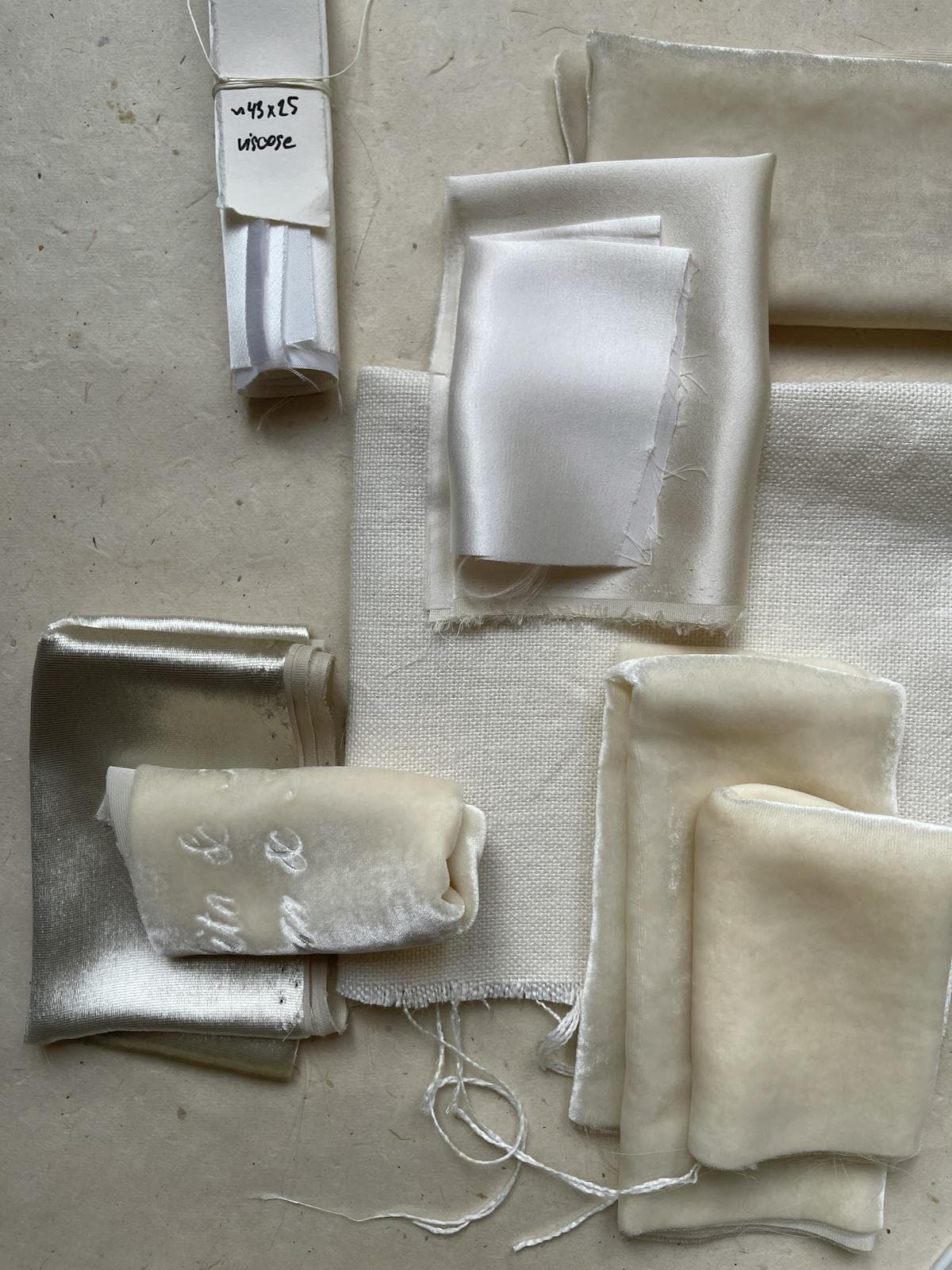
Fabric: Fine Worsted Wool
This is the sweet spot. A fine worsted premium wool blend drapes beautifully and catches light with a subtle, refined sheen, while staying sturdy enough to hold up to regular wear. It will not wrinkle badly during a three-hour dinner. It breathes well enough for a packed restaurant. It has the weight and hand-feel that signals "this person knows what quality fabric is" without crossing into "this person is trying too hard."
For reference, an everyday wool blend is your workhorse -- durable but a bit flat. Ultra-fine wools at the luxury end are luxuriously soft but delicate -- they wrinkle more easily and pill faster. The mid-range is where performance meets elegance. It is what we use at Nathan Tailors for our premium suits.
Color: Charcoal or Dark Navy
Charcoal is the power color of New York. Walk into any boardroom in FiDi or Midtown and count the charcoal suits. It is the color of people who have been doing this a long time. Charcoal works in every light, at every restaurant, in every season. It pairs with a white shirt, a light blue shirt, or even a pale pink shirt if you are feeling bold. It does not look like "your one suit" the way navy does.
Dark navy is the close second. Slightly more versatile for non-business occasions (dates, after-work drinks) and slightly less corporate. If you only own one suit and want it to work everywhere, dark navy is arguably the better choice. But if you are building specifically for client dinners and power settings, charcoal edges it out.
Shirt: White. Full Stop.
A crisp white dress shirt in a poplin or twill weave. No patterns, no French cuffs unless you actually own cufflinks, no spread collar so wide it looks like it is trying to take flight. A standard semi-spread or point collar in white. This is not boring -- it is the canvas that lets the suit do the talking. Light blue is your number two option. Everything else is a conversation for after you have mastered the basics.
Shoes: Dark Brown or Black Oxfords
If your suit is charcoal, black shoes. If your suit is navy, dark brown. Oxfords or derbies. Leather sole or rubber sole, nobody cares as long as they are clean and not scuffed. Do not wear monk straps to a client dinner -- they are a statement shoe and you do not want your shoes to be a statement. You want them to be invisible. Cap-toe or plain-toe. Nothing else.
What NOT to Wear
- A black suit -- Black suits read "funeral" or "prom" in NYC. Nobody in finance or business wears a black suit to dinner. Charcoal is dark enough.
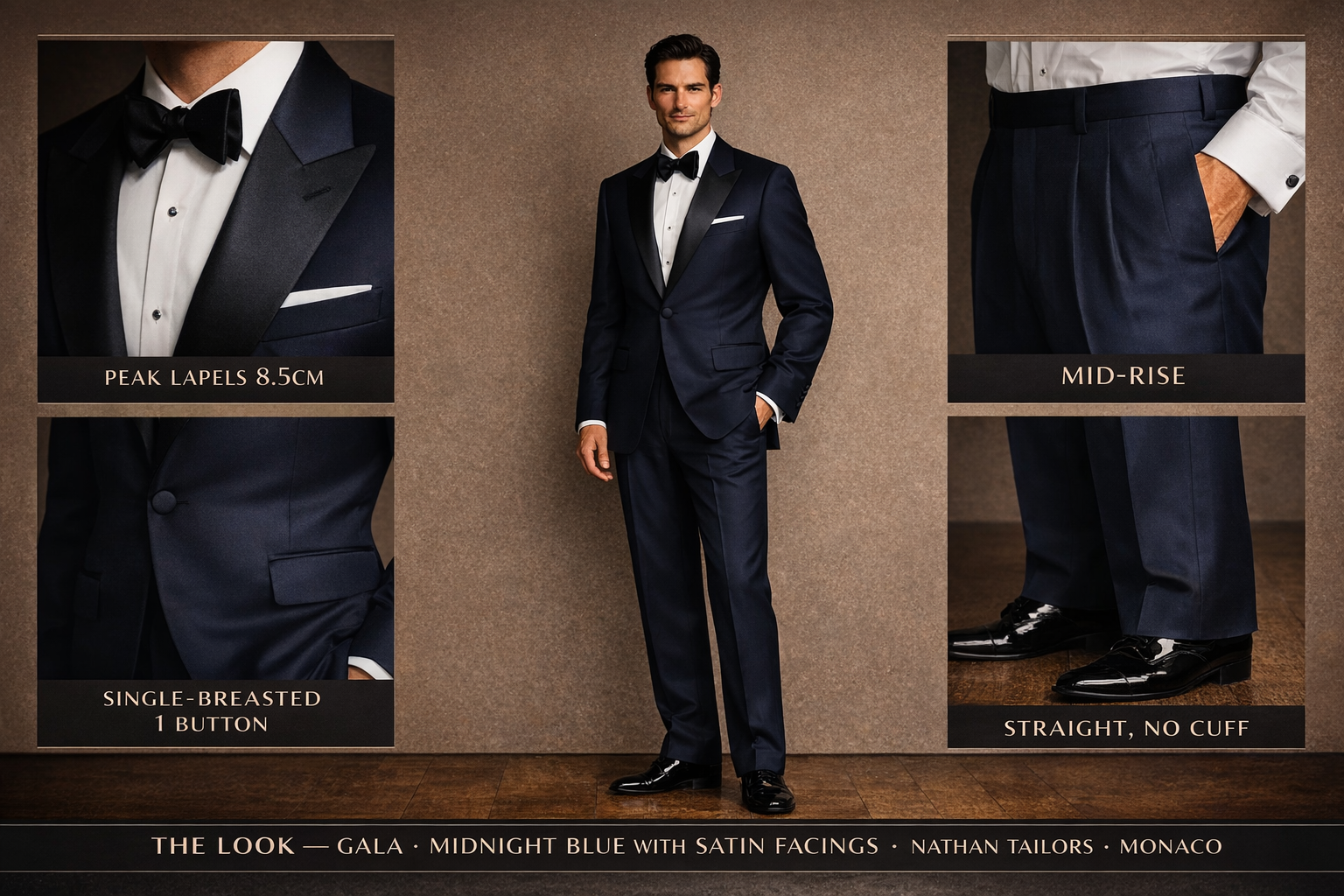
- A fashion-forward suit -- No peak lapels, no double-breasted jackets, no bold patterns. Not for this occasion. You are not going to the Met Gala. You are trying to close a deal.
- Sneakers -- Not even clean white ones. Not even Common Projects. Not even if someone on Reddit told you it is fine. It is not fine at The Grill.
- A vest or three-piece -- Unless your client is a Wall Street partner over 55. Too formal for a dinner. You will look like you are attending a costume party themed "finance."
- Too much cologne -- One spray. Two at most. You are sitting across a table from someone for two hours. If they can smell you from the door, you have failed.
Building a 2-Suit Rotation for Every Business Situation
You do not need a closet full of suits. You need two. One charcoal, one dark navy. With these two suits and three shirts, you can walk into any room in New York for the next five years and never worry about what to wear. Here is the math.
| Occasion | Suit | Shirt | Shoes | Notes |
|---|---|---|---|---|
| Client dinner (Midtown) | Charcoal | White | Black | The power combo. No tie needed. |
| Board meeting / investor pitch | Charcoal | Light blue | Black | Blue shirt softens the formality slightly. Still serious. |
| Conference / networking event | Navy | White | Dark brown | Navy is approachable. Good for working a room. |
| After-work drinks with clients | Navy | White (no tie, open collar) | Dark brown | Remove the tie, unbutton the collar. Instantly casual. |
| Date night / nice restaurant | Navy | Light blue or white | Dark brown | Navy feels less "I just came from work" than charcoal. |
| Wedding (as guest) | Navy or Charcoal | White | Black or brown | Add a tie. Either suit works for any wedding that is not black-tie. |
| Job interview | Charcoal | White | Black | Charcoal reads "I take this seriously" without being stiff. |
Two suits. Three shirts. Two pairs of shoes. Seven situations covered. That is it. That is the entire wardrobe. If you buy these pieces custom-fitted, you are set for years. No more standing in front of your closet wondering if you are underdressed. No more borrowing a jacket from your roommate. No more emergency trips to Zara at 5 PM on a Thursday.
The Cost Breakdown: Western Brands vs. Nathan Tailors
Let me show you what this two-suit rotation actually costs depending on where you buy it.
| Item | SuitSupply | Indochino | Nathan Tailors |
|---|---|---|---|
| Charcoal suit (fine worsted wool) | $699 - $999 | $549 - $699 | $189 - $249 |
| Navy suit (fine worsted wool) | $699 - $999 | $549 - $699 | $189 - $249 |
| 3 custom dress shirts | $139 each ($417) | $99 each ($297) | $39 each ($117) |
| Total | $1,815 - $2,415 | $1,395 - $1,695 | $495 - $615 |
Read that bottom row again. The entire two-suit rotation from Nathan Tailors costs less than a single suit from SuitSupply. Real premium wool blend. Custom cut to your exact measurements. Shipped to your door in NYC via DHL Express in 6-8 days.
How? No showroom rent in Midtown. No marketing budget paying for subway ads. No layers of distributors and importers between the fabric mill and the sewing machine. Just a tailor in Hoi An, Vietnam, who has been doing this for 25+ years and sees 30-50 customers a day -- which means more reps, more pattern adjustments, more experience with every body type imaginable. Check our pricing menu for current prices and our full cost breakdown for a detailed look at where your money actually goes.
The 48-Hour Emergency Playbook
Let us be real. You are reading this article because you might have a client dinner coming up soon and you do not have time to order a custom suit from Vietnam (though for the record, we can turn around rush orders in as little as 5-7 days with express shipping). So here is the tactical, right-now playbook for looking sharp with 48 hours or less to prepare.
If You Have 48 Hours: The Emergency Fix
- Assess what you already own. Pull out every pair of dress shoes, every button-down shirt, every blazer or suit jacket. Lay them on your bed. Be honest about what fits and what does not. A jacket with shoulders that are too wide cannot be fixed in 48 hours. A pair of trousers that are slightly too long can be hemmed same-day at almost any tailor in Manhattan -- walk into any dry cleaner that offers alterations and ask for a rush hem. It will cost $15-$25 and take a few hours.
- If your suit still mostly fits, take it to a dry cleaner today and ask for same-day pressing. A pressed suit that fits decently will always look better than a brand-new suit that has been folded in a shopping bag for two hours. Throw on a freshly ironed white shirt and clean shoes, and you are 80% there.
- If you own nothing suitable, go to Uniqlo on Fifth Avenue. Their $79.90 stretch wool-like blazer in dark navy or charcoal is the best emergency option in New York. Pair it with their $39.90 EZY Ankle Pants in a matching dark color and a $29.90 Super Non-Iron Shirt in white. Is this going to rival a custom suit? No. Will it get you through Thursday's dinner without embarrassment? Yes. Total damage: about $150.
- The Zara emergency route is also viable. Their slim-fit suits run $200-$300 for a full suit. The quality will not last, but the silhouette is modern and the fit tends to work well on thinner builds common among guys who have been sitting at desks in SoHo for three years. The SoHo Zara on Broadway has the best selection.
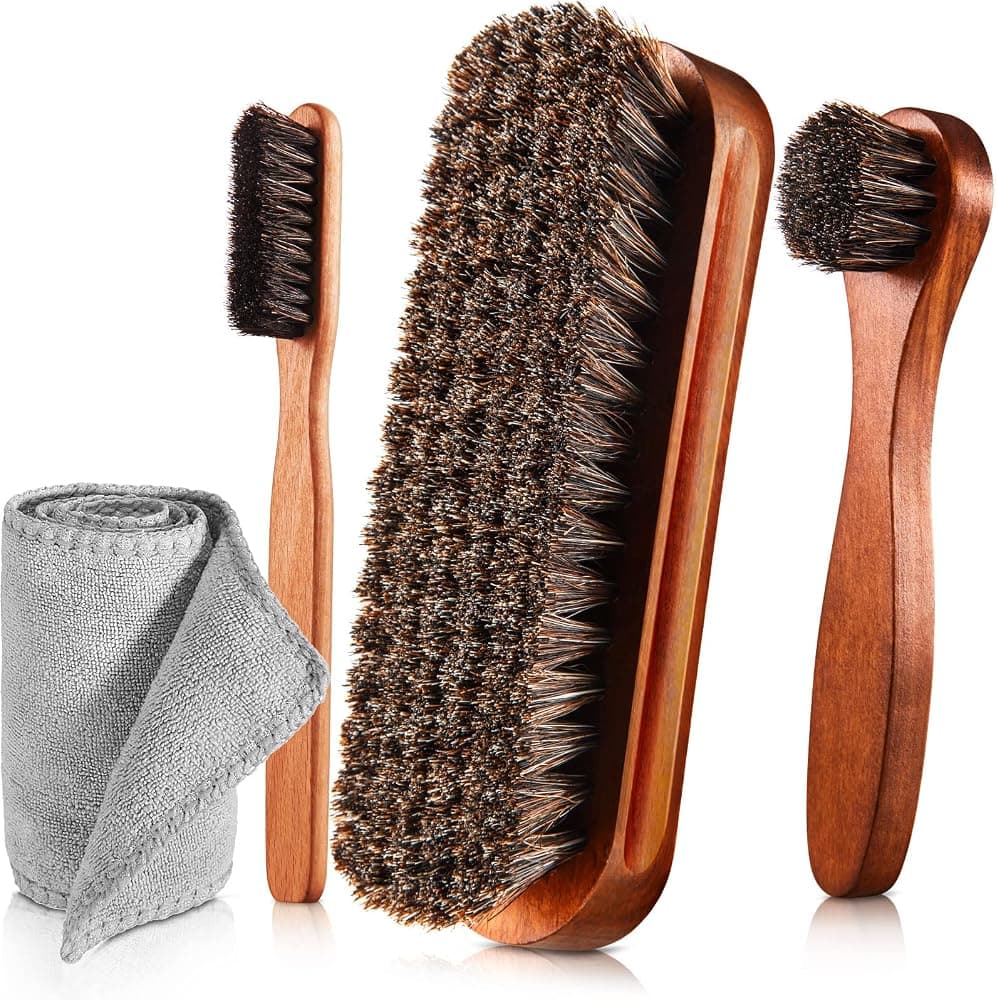
- Shoes -- If you truly own nothing except Allbirds, go to DSW or Nordstrom Rack. A $60-$80 pair of black cap-toe oxfords from Cole Haan or similar will survive the dinner and serve you for the next year. Polish them when you get home. Shoe polish exists. Use it.
If You Have One Week: The Upgrade
With a week, you have more options. Indochino has a showroom in the Flatiron District and can do a rush order, though their standard delivery is 3-4 weeks. SuitSupply on Madison Avenue sells off-the-rack suits that you can walk out with same-day, and their in-house tailors can do alterations within a few days.
But here is the move most people do not think about: message us on WhatsApp right now. If you already have your measurements (or can get measured today using our interactive guide), we can have a custom suit cut, sewn, and shipped via DHL Express within 7-10 business days. Your charcoal premium wool-blend suit shows up at your apartment in Murray Hill or your WeWork in FiDi, fitted to your exact body, for less than what you would spend on that emergency Zara run.
The Long Game: Never Panic About a Dress Code Again
The real solution is not scrambling 48 hours before a dinner. The real solution is having a suit on standby that you already know fits, that you already know looks right, that you can pull out of your closet at a moment's notice and walk into any room in New York with confidence.
That is what a two-suit rotation does for you. It eliminates the panic entirely. When your CEO posts "client dinner Thursday, dress sharp," you do not feel your stomach drop. You think "charcoal or navy?" and move on with your day. That peace of mind is worth the investment. And when the investment is $189-$249 instead of $699-$999, it is not even a financial decision anymore. It is obvious.
Why This Matters More Than You Think
I know what you are thinking. "It is just clothes. The client cares about the product, not my suit." And you are right -- mostly. The client does care about the product. But here is what a decade in business has taught me: confidence is not something you perform. It is something you feel. And what you wear directly affects how you feel.
When you sit down at The Grill in a suit that fits you perfectly, you are not thinking about your clothes. You are thinking about the pitch. You are making eye contact. You are relaxed. You are present. When you sit down in a suit that is pilling at the thighs and pulling at the chest, part of your brain is running a background process: "Do I look okay? Are they noticing? Is this jacket too tight when I reach for the bread?"
That background process is eating your cognitive bandwidth. It is making you 5-10% less sharp, less articulate, less confident. And in a room where the deal is worth six or seven figures, 5-10% matters.
This is not about vanity. It is not about fashion. It is about removing a variable so you can focus on what you are actually good at. You are good at your job. You are good at your pitch. You are good at reading a room. Let the suit handle the rest.
The Economics That Make This Inevitable
Let me explain something that the Western tailoring industry does not want you to focus on. The cost of the actual cloth in a $699 SuitSupply suit is a fraction of the retail price -- maybe 10-15%. The rest is rent on Broadway, the marketing budget, the corporate overhead, and the brand premium. We are not going to claim our cloth is identical to SuitSupply's cloth -- we cannot prove that and neither can they. What we can tell you is that the cloth is real wool from established mill suppliers, and the part of the price you pay that goes to fabric versus storefront is heavily weighted toward fabric instead of storefront.
The difference is everything that happens after the fabric leaves the mill. In the Western model, the fabric goes through an importer, then a distributor, then a brand that adds their label, then a retailer that adds their margin, then a salesperson who adds their commission. By the time that fabric becomes a suit hanging on a rack in a showroom with recessed lighting and a cappuccino machine, the price has been multiplied by 5-8x.
In our model, the fabric goes from the mill to our shop in Hoi An. That is it. One step. Our tailors cut and sew the suit. We ship it to you. The price reflects the actual cost of the fabric, the labor, and the shipping -- plus a margin that lets us stay in business. There are no middlemen. There is no Madison Avenue rent. There is no subway ad campaign. There is no influencer partnership budget.
This is not charity. It is not a gimmick. It is basic supply chain economics. We are closer to the source, our overhead is lower, and our tailors are more experienced because they are making suits all day, every day, for 5,000+ clients worldwide. A tailor in Manhattan who sees 5-15 clients a week simply cannot match the reps and pattern recognition of a tailor in Hoi An who sees 30-50 a day.
You do not need to take my word for it. We have 520+ five-star Google reviews from customers in New York, London, Sydney, Toronto, and beyond. Real people. Real orders. Real photos.
Frequently Asked Questions
Can I really order a custom suit online without visiting a tailor?
Yes. The majority of our orders come from remote customers who have never visited Hoi An. We offer free WhatsApp consultations, guided self-measurement via video call, and a visual measurement guide with step-by-step instructions for every body measurement. The overwhelming majority of our remote orders fit right the first time.
How long does shipping take to NYC?
Production takes 3-4 working days, with DHL Express delivery taking 6-8 days. For rush orders, we can expedite. Total turnaround from order to your door in Manhattan is typically about three weeks.
What if the suit does not fit when it arrives?
Every garment is cut with generous seam allowances and ships with a piece of the same fabric, so if the fit is off, a local tailor can adjust it quickly and inexpensively -- send us photos and we will help you figure out the right fix. We do not offer free remakes or refunds on custom work, but we stay reachable to get it right. Read our full policy on what happens when a custom suit does not fit.
Is a $189 suit going to look cheap?
The reason it costs $189 instead of $699 is mostly geography and supply chain, not corners cut on construction. Real wool, half-canvas construction (full canvas available on request), made to your body. We are not claiming our cloth tier matches what $1,500+ luxury brands use -- it does not, and anyone telling you otherwise at our price is lying. We are saying the construction is honest and the cloth is real wool.
What about the shoes? Do you make those too?
We specialize in suits, shirts, trousers, and outerwear. For shoes, we recommend investing in one good pair of black oxfords and one pair of dark brown derbies. Allen Edmonds, Meermin, and Beckett Simonon are all solid choices in the $150-$350 range that will last years with proper care.
My company's dress code is "smart casual." Do I really need a suit?
For daily office wear in a smart casual environment, no. A blazer and tailored trousers are usually enough. But for client-facing events -- dinners, presentations, conferences -- a suit is your insurance policy. It is the one item that is never wrong. When in doubt, overdress slightly. Nobody has ever lost a deal because their suit was too nice.
Got a Client Dinner Coming Up? Tell Us When and Where.
Message us on WhatsApp with the event details -- the restaurant, the date, the vibe. We will recommend the exact suit, shirt, and accessories to make you look like you have been dressing like this your whole career.