The Trend, in One Paragraph
Chinamaxxing is Gen Z's name for the modern Chinese urban lifestyle-aesthetic: hot water over ice, herbal tea, gua sha, tai chi, early bedtimes, and — the part that matters for us — an intentionally minimalist, logo-free, fabric-first wardrobe. The trend jumped from TikTok (IShowSpeed's 2025 China tour, Sherry Zhu's "how to become Chinese" videos) to mainstream press last week, with Fortune and NPR both covering it. This isn't a costume. It's the mainstreaming of an aesthetic that bespoke tailoring has been quietly serving for four centuries: the well-made thing, worn without fuss, that only another connoisseur notices.
If you've been watching "quiet luxury" since the Succession era and wondering what comes next, this is it — the same principle, a different cultural vocabulary, and a generation young enough to make it uncool to wear your brand on your chest.
What Chinamaxxing Actually Looks Like, Head to Toe
Strip away the vibe videos and you're left with a tight visual grammar. Here's what the wardrobe rules are, in practice.
1. The palette is quiet and grounded
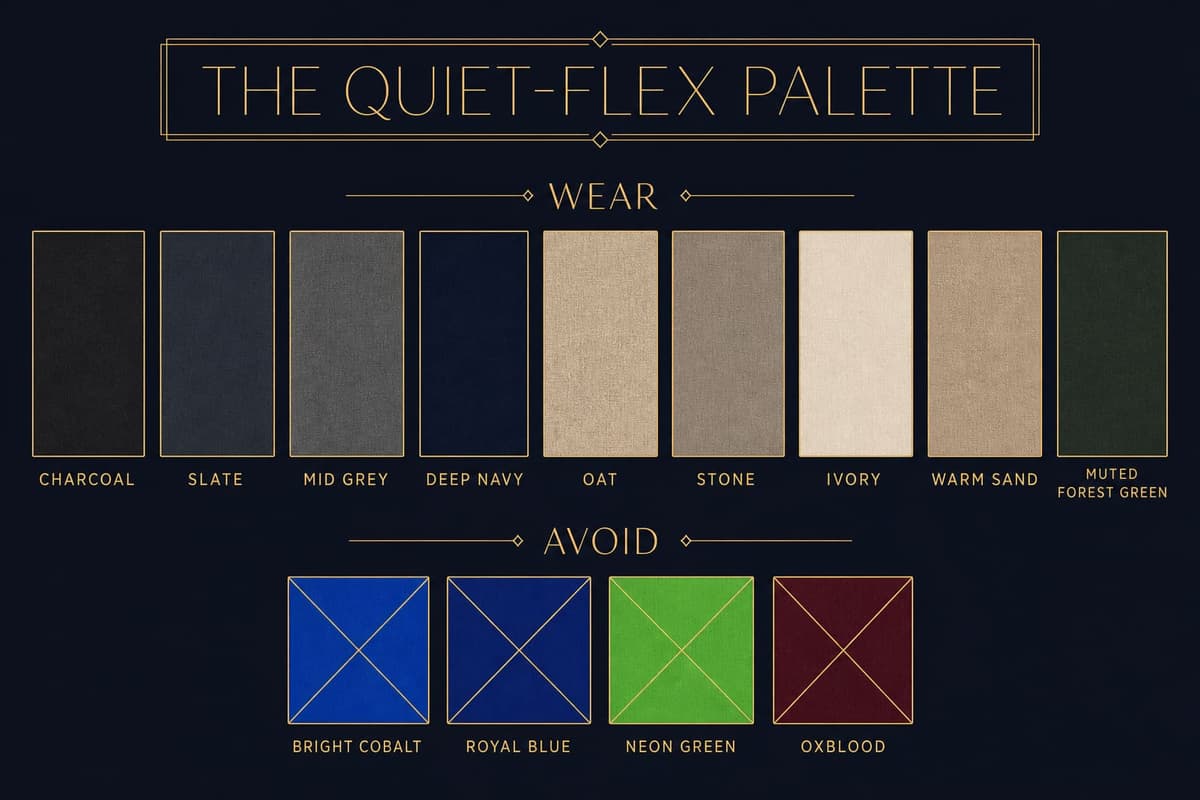
No cobalt, no oxblood, no statement jewel tones. The Chinamaxxing palette is charcoal, slate, mid grey, deep navy, oat, stone, ivory, warm sand, and muted forest. Think of what a cinematographer would pick for "early morning in a Shanghai alley." Nothing in the outfit should be the loudest thing in the room — not even you.
What to avoid: bright white (too stark), cobalt and royal (too corporate Western), anything shiny, anything neon.
2. Natural fibers are non-negotiable
Synthetic blends read wrong under the aesthetic. The Chinamaxxing wardrobe is wool, wool-silk, wool-cashmere, linen, cotton, high-twist tropical wool, raw silk, and soft cotton-spandex for shirting. Matte finish — no sheen. A 280-320g fine worsted wool is the spine; a linen-silk blend is the summer spine.
3. Silhouettes are relaxed, not slim
The skinny-suit decade is buried. The Chinamaxxing silhouette is softly structured at the shoulder, cleanly through the chest, gently tapered but never tight, and mid-to-high rise in the trouser. A Neapolitan soft shoulder works. A Japanese-minimalist slim-but-not-skinny works. The boxy 90s cut works. The skinny 2010s cut does not.
Trouser line: straight or straight-with-a-hint-of-flare. Mid rise for most bodies, high rise for the tall and narrow-waisted. No tapered ankle. A quarter-break or half-break finish.
4. The "one brilliant garment" principle
This is the single most Chinamaxxing idea in the wardrobe: one exceptional piece, worn repeatedly, quietly recognizable. Not seven forgettable items. Not a rotation of outfits. One jacket in a fabric that ages beautifully. One pair of trousers cut precisely for your body. One shirt in hand-finished cotton.
The tell is the repetition. When a Chinamaxxing dresser wears the same jacket three weeks running, that's the flex.
5. No logos. None.
Branded hardware, contrast stitching in brand colours, visible designer tags on the sleeve — all out. The only "signature" allowed is the pattern of the fabric itself and the cut of the garment. If someone can identify where you shop from across the room, you're not doing it right.
The Chinamaxxing Menswear Essentials
Here's the capsule, in priority order. Build from the top; the bottom half is the flex.
The navy or charcoal wool jacket (essential, buy first)
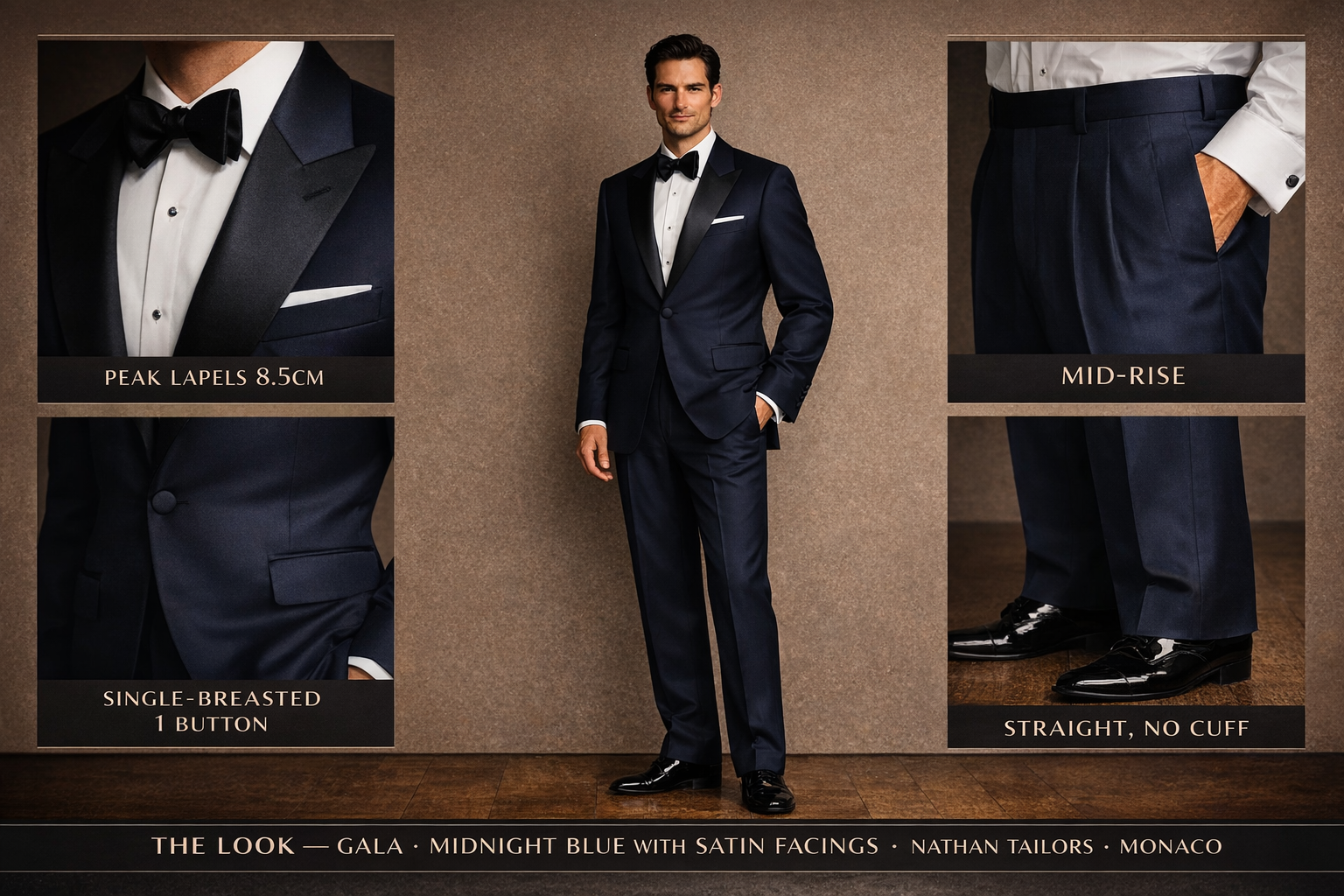
Single-breasted, two-button, notch lapel around 7.5-8.5cm wide, natural or softly structured shoulder, half-canvas construction (full-canvas available on request). Deep navy or mid-charcoal wool in the 280-320g range. Quarter-lined is ideal for 3-season wear. This is the garment you'll wear to work, weddings, dinners, and the gallery opening you didn't know you were going to. Budget: $119-$219 custom, $400+ retail.
The wool-cashmere blend in an earth tone (phase two)
Once the navy or charcoal is settled, add a softer jacket in chocolate, cognac, warm taupe, or deep olive. Wool-cashmere blend at the same weight. This is the jacket that signals depth — the person who chose it isn't trying to impress a recruiter. Worn with black trousers it reads cinematic; with cream linen it reads holiday; with dark denim it reads wealthy.
The linen suit (summer spine)
Stone, sand, oat, or warm grey. Relaxed silhouette. Half-lined or unlined. The jacket must be wearable as a separate over white trousers, dark denim, or cream linen pants. This is the single most Chinamaxxing summer garment — it wrinkles honestly, it cools the body, and it looks better at month three than at week one.
High-twist tropical wool trousers in stone or olive
The piece nobody writes about but everyone who dresses well owns. High-twist open-weave wool in the 220-260g range. Reads sharp at a distance, breathes like linen up close. Wear with a white oxford, a linen jacket, or alone with a fine-gauge knit. Mid-rise, straight leg, no cuffs, quarter break.
Oxford cloth shirts in white, cream, and pale blue
Hand-finished cotton, soft collar (not stiff), barrel cuff, no breast pocket. The Chinamaxxing shirt is worn open at the top button, untucked under a jacket on weekends, tucked with a belt on weekdays. Quietly formal, never corporate.
A fine-gauge knit in camel, stone, or midnight
Merino or cashmere, crew neck, slim but not body-hugging. Worn alone with wool trousers, under a jacket with an oxford underneath, or over a tee in summer. This is the piece that makes the entire system feel lived-in instead of costume-y.
What to Stop Wearing
- Anything with visible branding. Even subtle branding. Gone.
- Polyester-heavy suits. They read wrong under the aesthetic, no matter the cut.
- Skinny-leg trousers with a tapered ankle. The silhouette was of the 2010s and it shows.
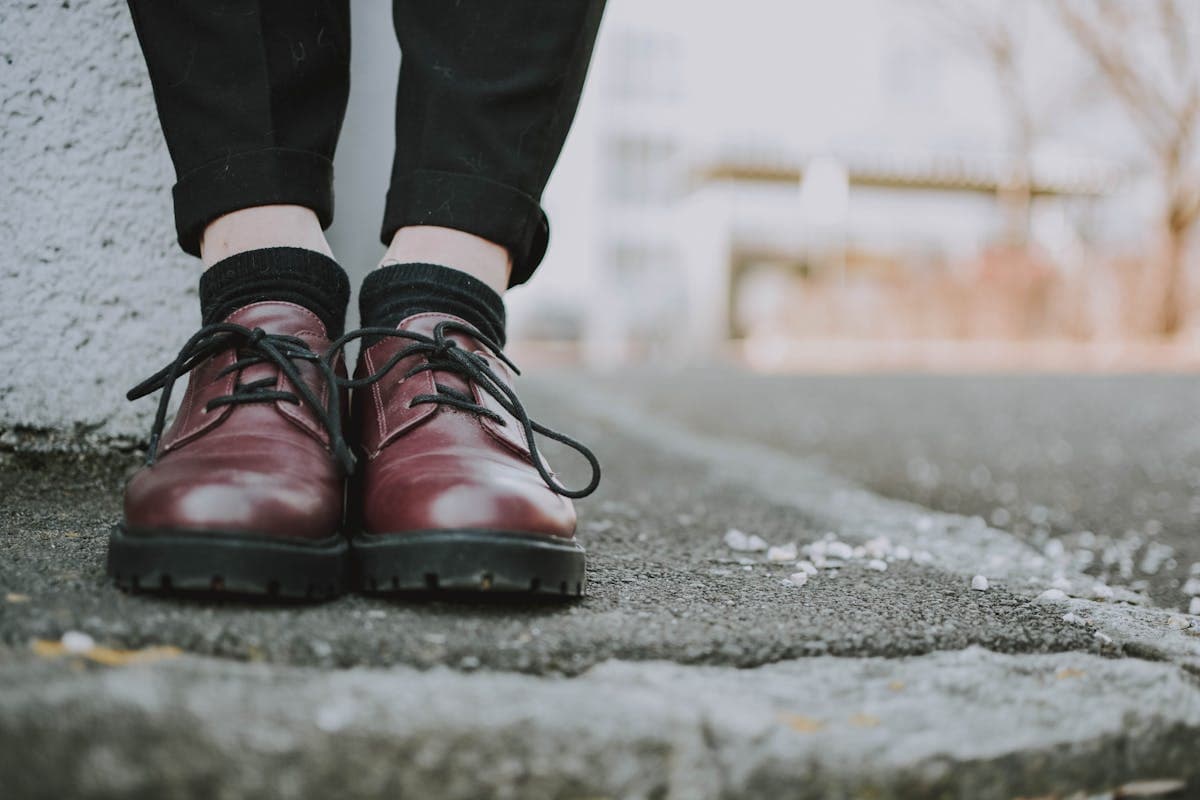
- Pointed dress shoes. Round or slightly squared toe only. Leather-soled loafer, derby, or plain-toe oxford.
- Ice-cream suits in pastel. This is the opposite of quiet.
- Contrast stitching in bright thread. If you can see the stitches from 3m away, the garment is shouting.
Fabric: The Actual Engine of the Aesthetic
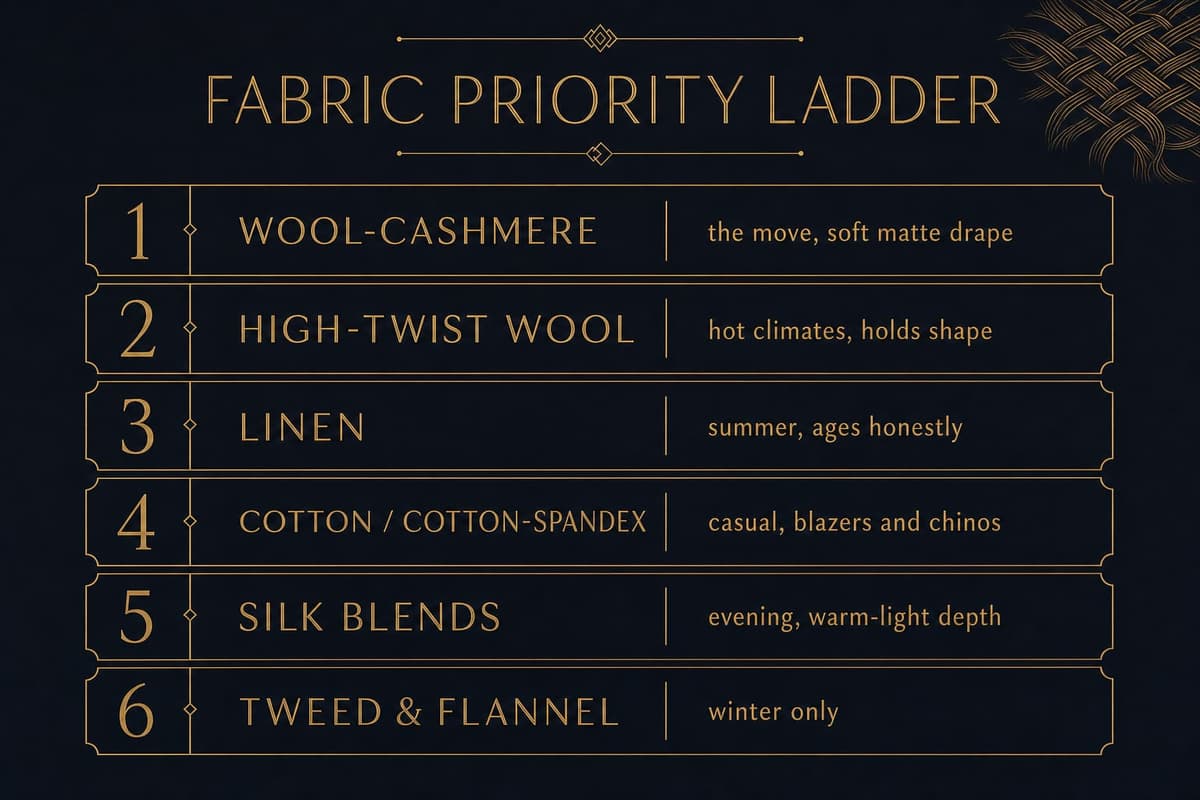
Chinamaxxing styling is 20% about cut and 80% about fabric. Two men in the same cut of navy suit — one in bonded polyester, one in wool-silk — will read as entirely different people to anyone paying attention. If you have one budget lever to pull, pull it on fabric weight and fiber, not on hardware or finishing.
The Chinamaxxing fabric priority list, in order:
- Wool-cashmere blend — the soft hand, the matte finish, the way it drapes. This is the move.
- High-twist wool / fresco — the smart move for hot climates. Breathes, holds shape, reads as formal as a regular wool.
- Linen — summer. Must be good linen; cheap linen looks like a napkin after 30 minutes.
- Cotton and cotton-spandex — casual. Works for relaxed blazers, chinos, shirting.
- Silk blends — evening. A wool-silk in midnight reads distinctly different from plain wool under warm lighting.
- Tweed and flannel — winter. Heavy wool with tactile surface. Good for country-formal, bad for city summer.
You can browse our full stocked material catalog organized by exactly this list: Nathan Tailors fabric collection, with live counts and 350+ fabrics across the categories above.
The Chinamaxxing Mistake Most People Make
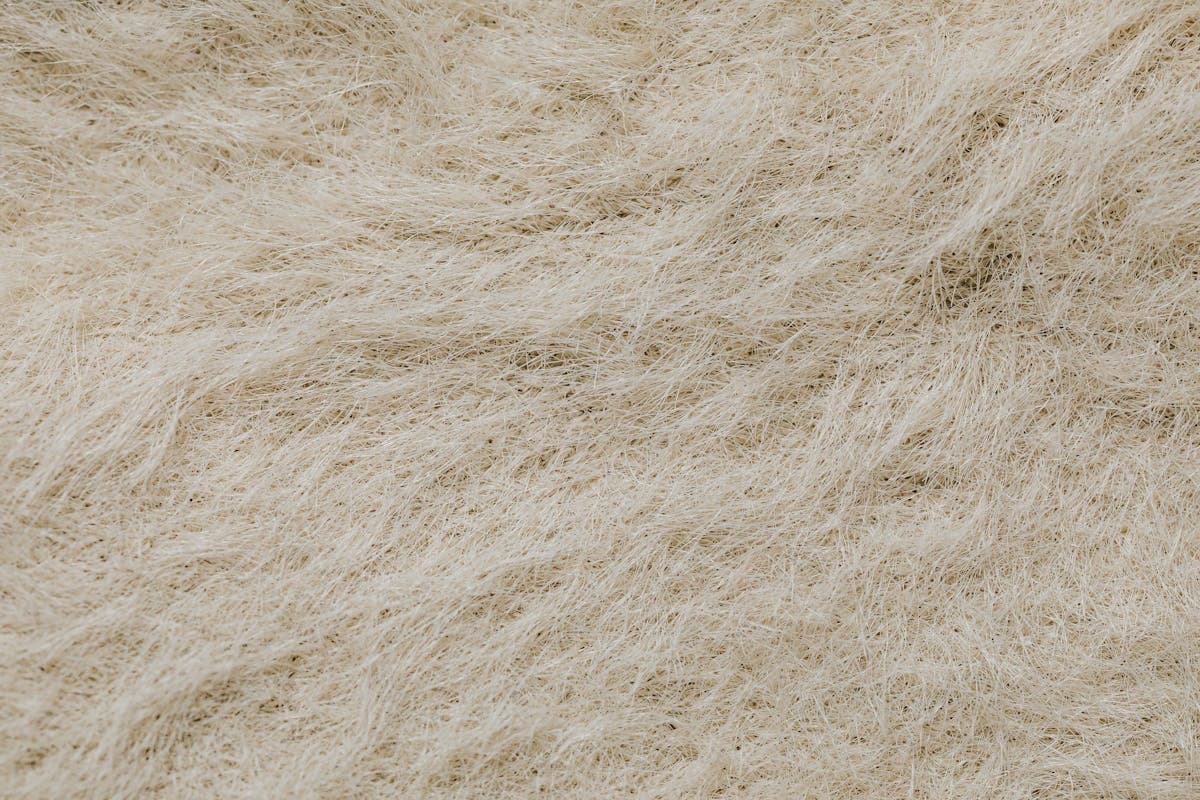
They buy the palette but skip the cut. A charcoal suit in the wrong silhouette — slim-fit from 2012, synthetic blend, tapered leg — is not Chinamaxxing. It's a cheap corporate suit in a quiet colour. The aesthetic lives in the relaxed-but-intentional cut, the matte natural fiber, and the absence of fuss. Skip those and the palette can't save you.
Second mistake: buying many cheap items to approximate the look. Chinamaxxing is structurally about fewer, better. One well-cut wool jacket will outperform three polyester ones on every axis — how it looks at a dinner, how it feels to wear, how long it lasts, how it photographs. If you can afford one piece this year, make it one piece.
How to Start, Practically
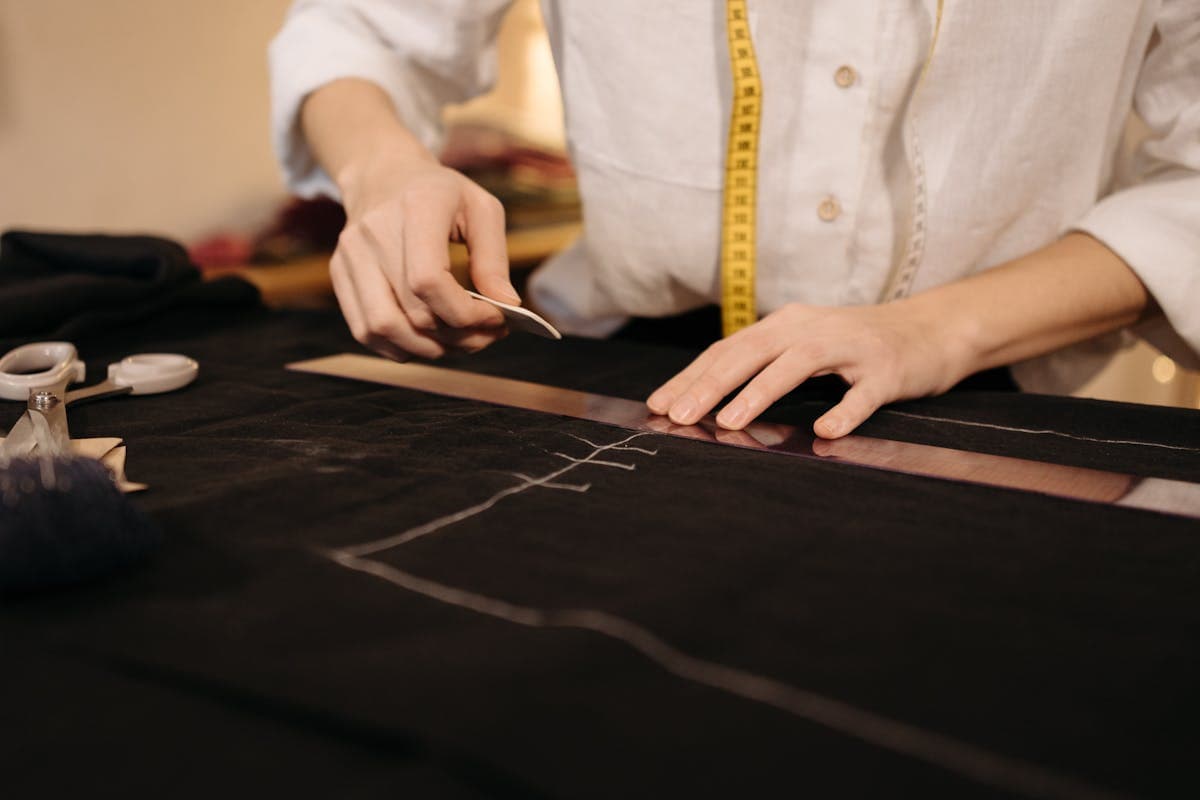
Three-step entry into the wardrobe:
- Get your size right before buying anything. Use our free Suit Size Calculator — height, weight, build in, US jacket size out in 10 seconds. Or the Atelier if you want to see the suit before you commit to it.
- Pick the one fabric that matches your climate. Tropical wool if you're in Singapore, Miami, or Austin. Mid-weight wool-cashmere if you're in London, NYC, or Tokyo. Flannel or tweed only if you actually need the warmth. Honest climate-match beats trend-chasing.
- Order one excellent piece. Wear it often. Evaluate at month three. The garment that looks better broken-in than it did new is the one you keep buying. The one that looks worse is the one you replace. Chinamaxxing is a compounding game; you're building a wardrobe, not a look.
The Bespoke Case
A Chinamaxxing wardrobe is uniquely bad at hiding bad fit. The quiet palette, the matte finish, the relaxed silhouette — none of them distract the eye from a pulled shoulder or a dropped lapel. The aesthetic is forensic: anyone looking will see exactly what's not right.
This is why made-to-measure and bespoke are back in the cultural conversation. Off-the-rack was built for an era when volume masked fit; Chinamaxxing is built for an era when fit is the only thing that matters. If you're going in on this aesthetic — and you should, it's the right side of where menswear is headed — you want at least one fully custom garment in the capsule.
At Nathan Tailors we've been cutting wool-cashmere, linen, and high-twist tropical wool for more than 25 years in Hoi An. Start at $149 for a two-piece, $218 for three-piece, shipped worldwide in about three weeks door-to-door. Render your suit in the Atelier first if you want to see it before you commit, or book a fitting to start the brief.
One Last Note on Authenticity
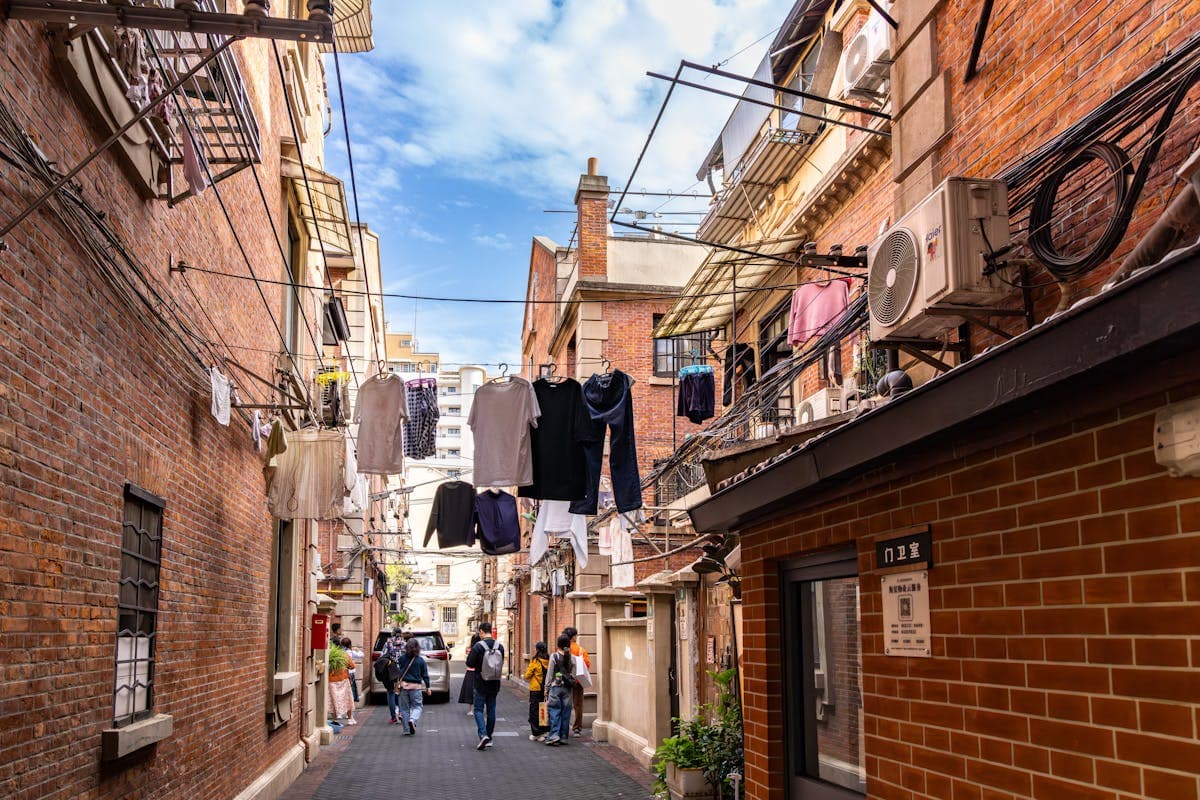
Chinamaxxing is a trend name, but the underlying aesthetic has existed in Asian menswear and tailoring traditions for a century. Shanghainese tailoring in the 1920s-40s had this same quiet grammar. Japanese iki — the 18th-century aesthetic principle of restrained sophistication — has it. Vietnamese ao-dai tailoring has it. The best men in Singapore, Hong Kong, Taipei have been dressing this way since long before TikTok called it anything.
So by all means adopt it. But don't buy the idea that it was invented last month. The most Chinamaxxing thing you can do is own a piece of clothing made by hand, by someone who's been doing it for longer than the trend cycle has existed — and wear it until it becomes you.